A Beginner’s Guide to Permaculture Design in City Landscapes
Understanding Permaculture
Permaculture is a sustainable design philosophy that mimics the patterns and relationships found in nature. It focuses on creating self-sufficient ecosystems that require minimal external inputs. For urban dwellers, permaculture offers a way to transform city landscapes into productive, eco-friendly environments.
At its core, permaculture encourages the use of resources in a way that is beneficial to both humans and the environment. By applying these principles in urban areas, we can create green spaces that not only serve our needs but also enhance biodiversity and reduce the ecological footprint of cities.
Design Principles
Permaculture design is based on a set of principles that guide the creation of sustainable systems. These principles include observing and interacting with nature, capturing and storing energy, and using renewable resources. When applied in city landscapes, these principles can lead to innovative solutions that address urban challenges.
For instance, capturing rainwater for garden irrigation or utilizing vertical spaces for planting are practical applications of permaculture design in cities. By observing how natural ecosystems work, we can design urban spaces that are both functional and environmentally friendly.
Zone Planning
One of the key concepts in permaculture is the idea of zoning, which involves organizing space according to how frequently it is used. In a city landscape, this might mean placing herb gardens close to the kitchen for easy access or situating compost bins away from living areas to minimize odors.
Implementing Permaculture in Urban Areas
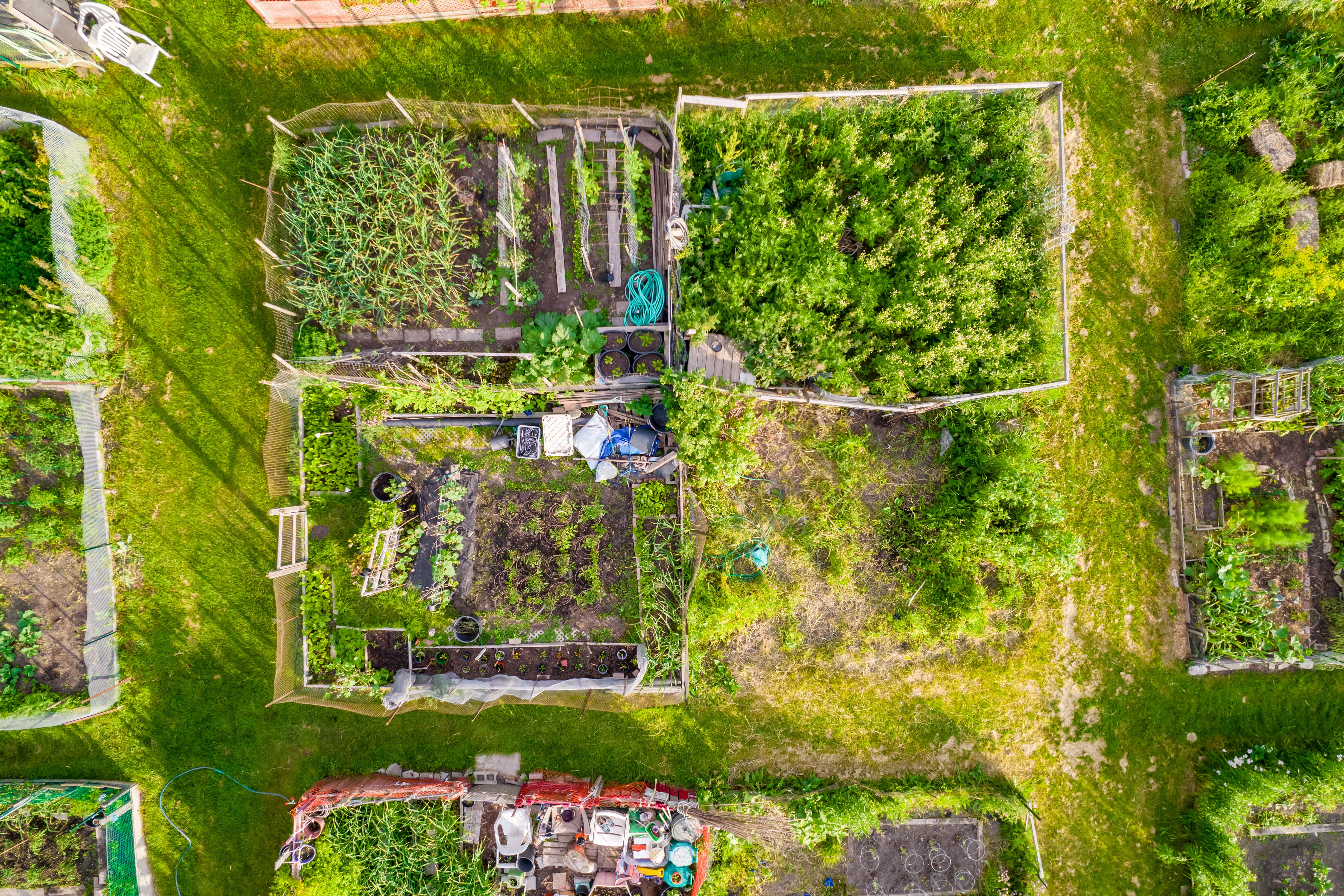
Starting a permaculture project in an urban setting can be as simple as planting a small vegetable garden or as ambitious as transforming an entire community space. The first step is to assess the available space and resources. Consider factors such as sunlight, water availability, and existing vegetation.
Once you have a clear understanding of the site, you can begin planning your design. Incorporate elements like raised beds, rooftop gardens, and rainwater harvesting systems. These features not only maximize space but also enhance the sustainability of the urban environment.
Community Involvement
Engaging the local community is crucial for the success of any urban permaculture project. By involving neighbors, local organizations, and schools, you can create a sense of ownership and shared responsibility. Community gardens, for example, provide a platform for education and collaboration, bringing people together to work towards common goals.

Benefits of Urban Permaculture
Implementing permaculture in city landscapes offers numerous benefits. It can improve air quality, increase urban green spaces, and provide residents with access to fresh produce. Moreover, it fosters a sense of community and encourages sustainable living practices.
Urban permaculture also helps reduce the heat island effect, a common issue in cities where concrete and asphalt absorb and retain heat. By increasing vegetation, permaculture cools the environment, making urban areas more comfortable and livable.
Getting Started
If you're interested in exploring permaculture design in your city, start small. Experiment with a balcony garden or join a local permaculture group. As you gain experience, you can expand your efforts and become part of a growing movement towards sustainable urban living.
Remember, the goal of permaculture is not just to grow food but to create a harmonious relationship between people and their environment. By embracing these principles, we can transform our cities into vibrant, sustainable ecosystems.