A Complete Guide to Permaculture Design and Installation in Urban Chicago
Permaculture design is a sustainable approach that integrates human needs with the natural ecosystem. In urban areas like Chicago, this method offers a way to transform city living into a more environmentally friendly and self-sustaining lifestyle. By using permaculture principles, urban dwellers can create green spaces that not only beautify their surroundings but also provide fresh produce and improve biodiversity.
Understanding Permaculture Principles
Permaculture is based on several core principles. These include observing and interacting with nature, capturing and storing energy, and using renewable resources. In urban settings, these principles translate into designing landscapes that are not only aesthetically pleasing but also functional and sustainable.
One of the key aspects of permaculture is its focus on creating systems that are self-regulating. This means designing gardens that require minimal input once they are established. By selecting native plants and incorporating water-saving techniques, urban gardens can thrive with less maintenance.
Designing Your Urban Permaculture Garden
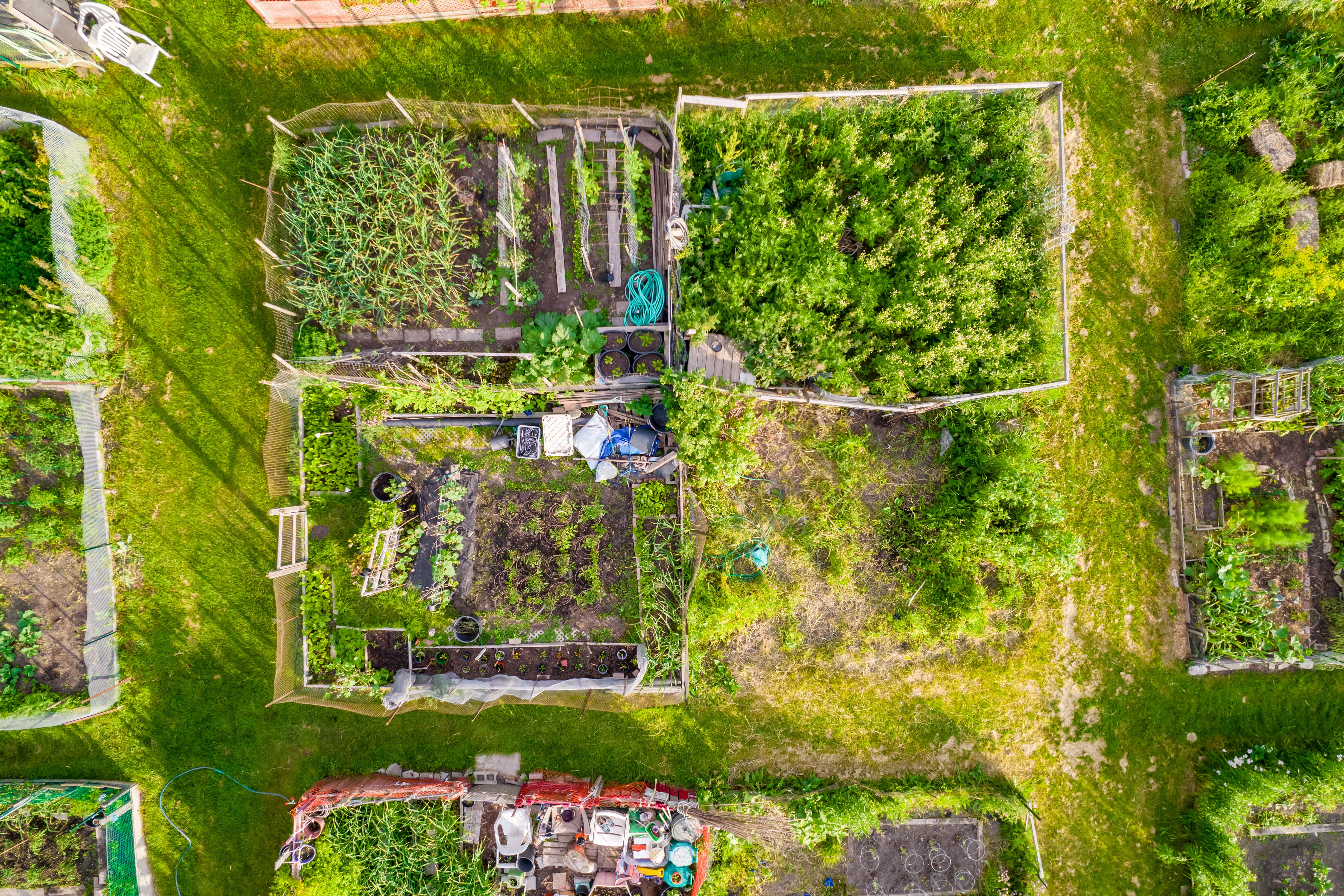
When planning a permaculture garden in Chicago, consider the space you have available. Even small balconies or rooftops can be transformed into productive gardens. Start by assessing sunlight, wind, and soil conditions to choose the right plants. In urban areas, raised beds and container gardening are popular methods.
Incorporating vertical gardening techniques can maximize space. Use trellises and vertical planters to grow climbing plants like beans and peas. This not only conserves space but also adds visual interest to your garden.

Water Management
Water is a precious resource, especially in urban areas. Implementing rainwater harvesting systems can help reduce reliance on municipal water. Simple solutions like rain barrels can collect runoff from rooftops, providing a sustainable water source for your garden.
Moreover, using mulch and compost can improve soil moisture retention, reducing the need for frequent watering. By mulching around plants, you can also suppress weeds and enhance soil fertility.
Installation and Maintenance
Once your design is complete, it's time to install your garden. Begin with the hardscape elements like pathways and raised beds. Ensure you have a solid foundation before planting. This stage is crucial for longevity and ease of maintenance.
After planting, regular maintenance is vital to keep your garden thriving. This includes pruning, pest control, and seasonal planting. By observing your garden and making adjustments, you can ensure it remains productive throughout the year.
Community and Education
Permaculture is not just about individual efforts; it's about building community. Urban gardens can serve as educational hubs where neighbors come together to learn about sustainable practices. Hosting workshops and tours can spread awareness and inspire others to adopt permaculture.
By involving community members, you also create a support network for sharing resources and knowledge. This collaboration can lead to more resilient urban environments.
Conclusion
Permaculture design and installation in urban Chicago offers a path to sustainable living. By embracing permaculture principles, city dwellers can create productive green spaces that benefit both themselves and the environment. Whether you're working with a small balcony or a larger community plot, permaculture provides the tools to transform urban landscapes into thriving ecosystems.
As more Chicagoans adopt these practices, the city can become a model for sustainable urban living. With careful planning and community involvement, permaculture can play a crucial role in creating a greener, healthier future.