A Comprehensive Guide to Sustainable Landscaping in Chicago
Understanding Sustainable Landscaping
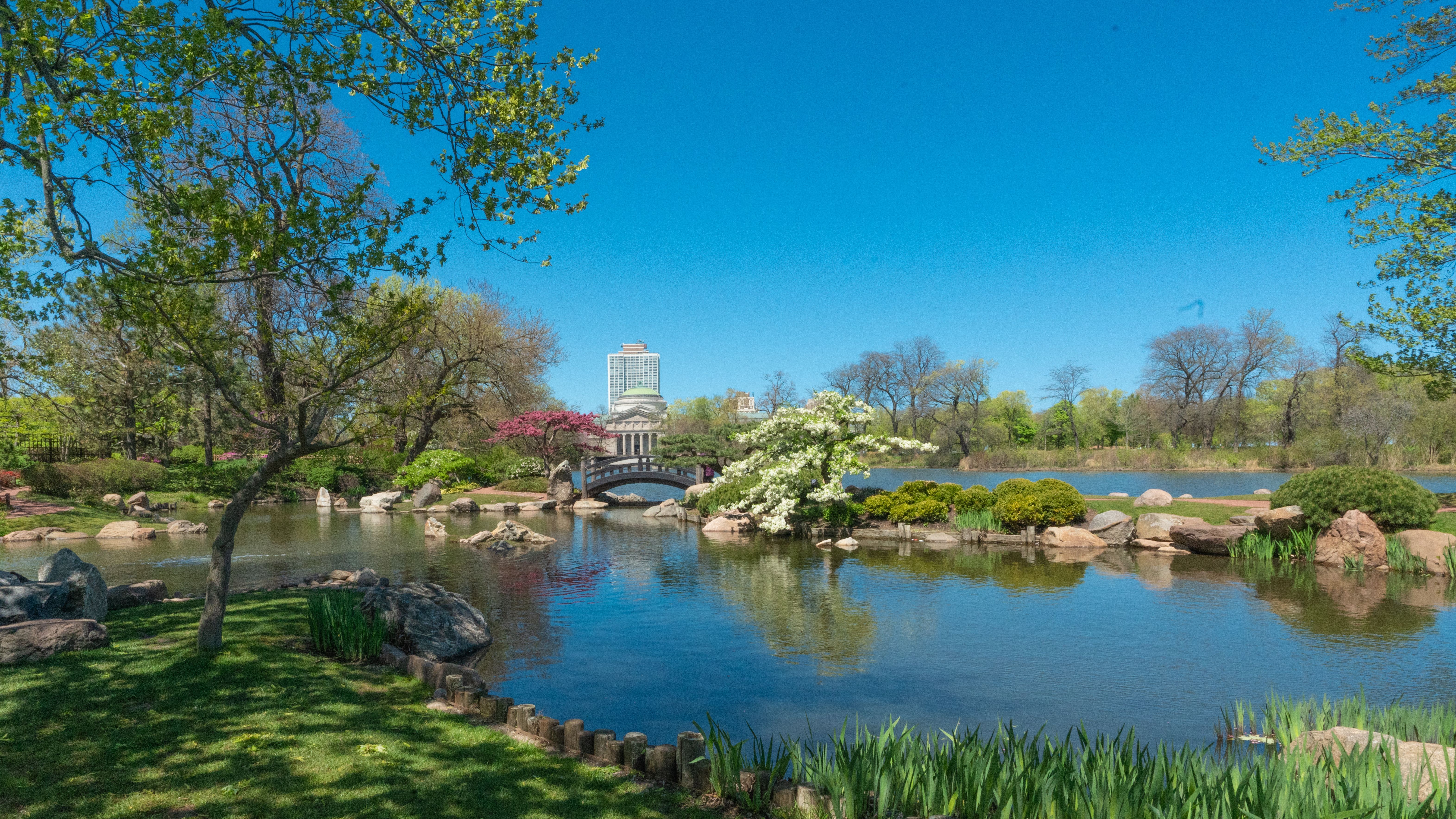
Sustainable landscaping is a method of designing and maintaining gardens and outdoor spaces that minimizes environmental impact. This approach is particularly important in urban areas like Chicago, where green spaces can greatly enhance quality of life. By incorporating sustainable practices, homeowners and businesses can create beautiful, eco-friendly landscapes.
Benefits of Sustainable Landscaping
Sustainable landscaping offers numerous benefits, including reduced water usage, lower maintenance costs, and enhanced biodiversity. In Chicago, where weather conditions can be extreme, these practices help create resilient landscapes that can withstand the city's unpredictable climate.
Additionally, sustainable landscapes often require fewer chemicals, leading to healthier soil and water quality. This not only benefits the environment but also supports local wildlife, promoting a balanced ecosystem right in your backyard.
Choosing Native Plants
One of the most effective strategies in sustainable landscaping is the use of native plants. These plants are adapted to the local climate and soil conditions, making them more resilient and less resource-intensive. In Chicago, popular native species include the purple coneflower, black-eyed Susan, and little bluestem.

Water Conservation Techniques
Water conservation is a critical component of sustainable landscaping. Techniques such as rainwater harvesting and drip irrigation can significantly reduce water use. In Chicago, where summers can be dry, these methods ensure your garden remains lush without wasting precious resources.
Implementing rain gardens is another effective way to manage stormwater runoff, reducing the burden on city infrastructure and preventing potential flooding.
Soil Health and Composting
Maintaining healthy soil is essential for any sustainable landscape. Composting is an excellent way to enrich soil naturally. By recycling organic waste, you create nutrient-rich compost that can replace chemical fertilizers. This practice not only improves soil health but also reduces landfill waste.

Integrating Hardscapes
Incorporating hardscapes, such as patios and walkways, can enhance the functionality and aesthetics of a landscape. When selecting materials, opt for sustainable options like permeable pavers, which allow water to filter through, reducing runoff and erosion.
Using recycled materials for hardscaping can further minimize environmental impact while adding unique character to your outdoor space.
Creating Wildlife Habitats
Designing landscapes that support local wildlife is a rewarding aspect of sustainable landscaping. By planting a variety of native species and providing food, water, and shelter, you can attract birds, butterflies, and beneficial insects to your garden.

Seasonal Maintenance Tips
Sustainable landscapes require thoughtful seasonal maintenance. In spring, focus on planting and mulching to prepare for the growing season. Summer is the time to monitor water usage and manage pests naturally. Fall is ideal for composting and planting cover crops, while winter is for planning and preparing for the next cycle.
By aligning your maintenance efforts with the seasons, you ensure a thriving, sustainable landscape year-round.
Conclusion
Sustainable landscaping in Chicago is not only feasible but also highly beneficial for the environment and the community. By adopting practices that conserve resources and support biodiversity, you can create a beautiful, resilient landscape that thrives in the urban setting.
Embrace these principles to transform your outdoor space into a model of sustainability, benefiting both you and the planet.