A Guide to Permaculture Design and Installation in Chicago
Introduction to Permaculture
Permaculture is a sustainable design philosophy that mimics the patterns and relationships found in nature. It’s about creating systems that are not only environmentally friendly but also economically viable and socially responsible. In a bustling city like Chicago, permaculture offers a way to transform urban spaces into thriving ecosystems.
Understanding the Basics
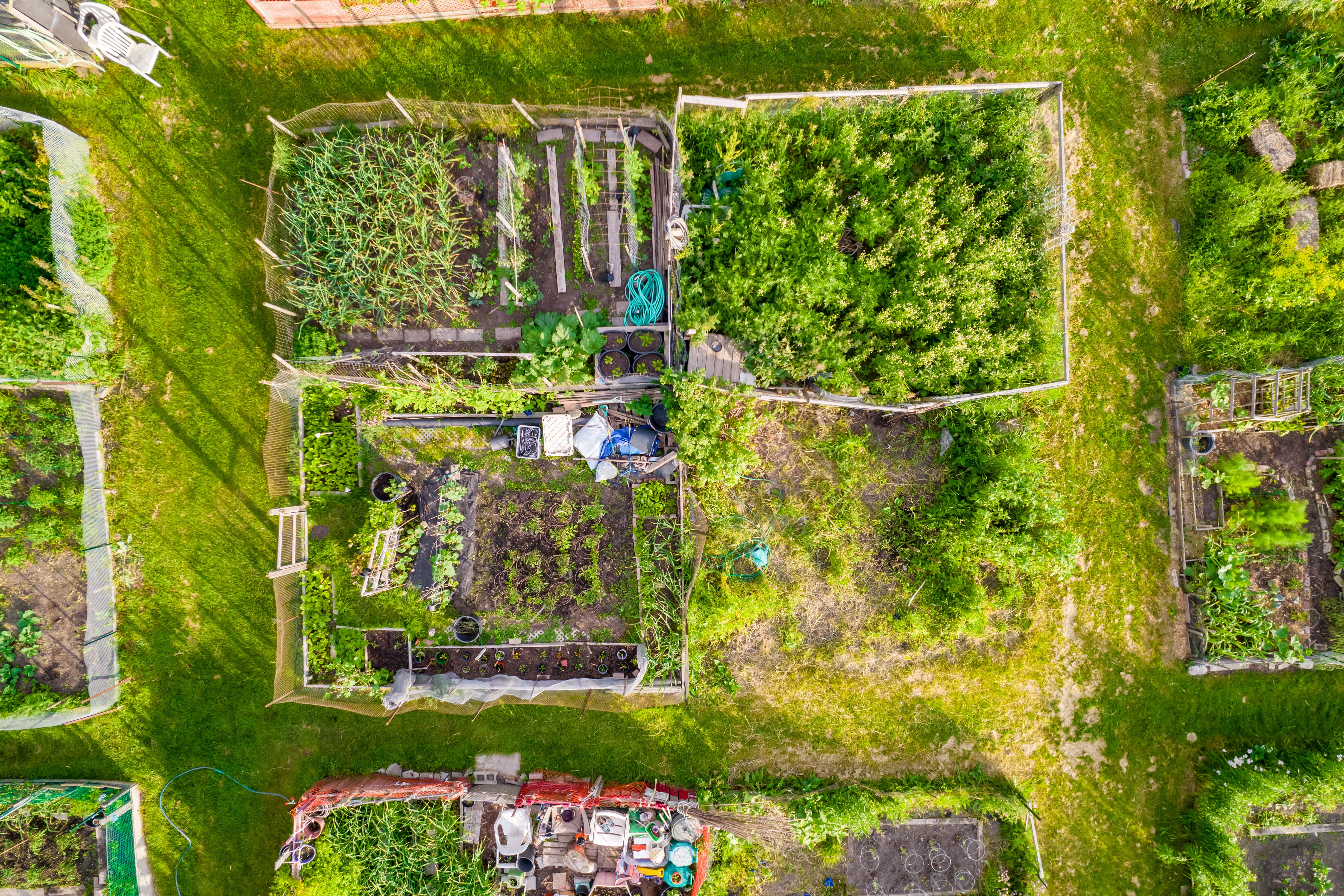
Permaculture design involves several core principles, such as observing and interacting with your environment, capturing and storing energy, and using small, slow solutions. These principles guide the design and installation of sustainable systems that can be applied to gardens, farms, and even urban landscapes.
In Chicago, permaculture can be adapted to suit the city's unique climate and urban constraints. This involves understanding local weather patterns, soil conditions, and existing flora and fauna.
Site Assessment and Planning
A thorough site assessment is the first step in any permaculture project. This includes analyzing the land's topography, identifying microclimates, and understanding water flow. In Chicago, where space can be limited, vertical gardening and rooftop installations are popular choices.

Microclimates in Urban Areas
Microclimates are small areas with climate conditions different from the surrounding region. In a city like Chicago, buildings, streets, and parks can all create unique microclimates. Recognizing these can help in selecting the right plants and design strategies.
Designing Your Permaculture System
Once the assessment is complete, the design phase begins. This includes creating a layout that integrates various elements such as water systems, plant guilds, and animal habitats. The goal is to create a self-sustaining ecosystem that requires minimal external inputs.
Choosing the Right Plants
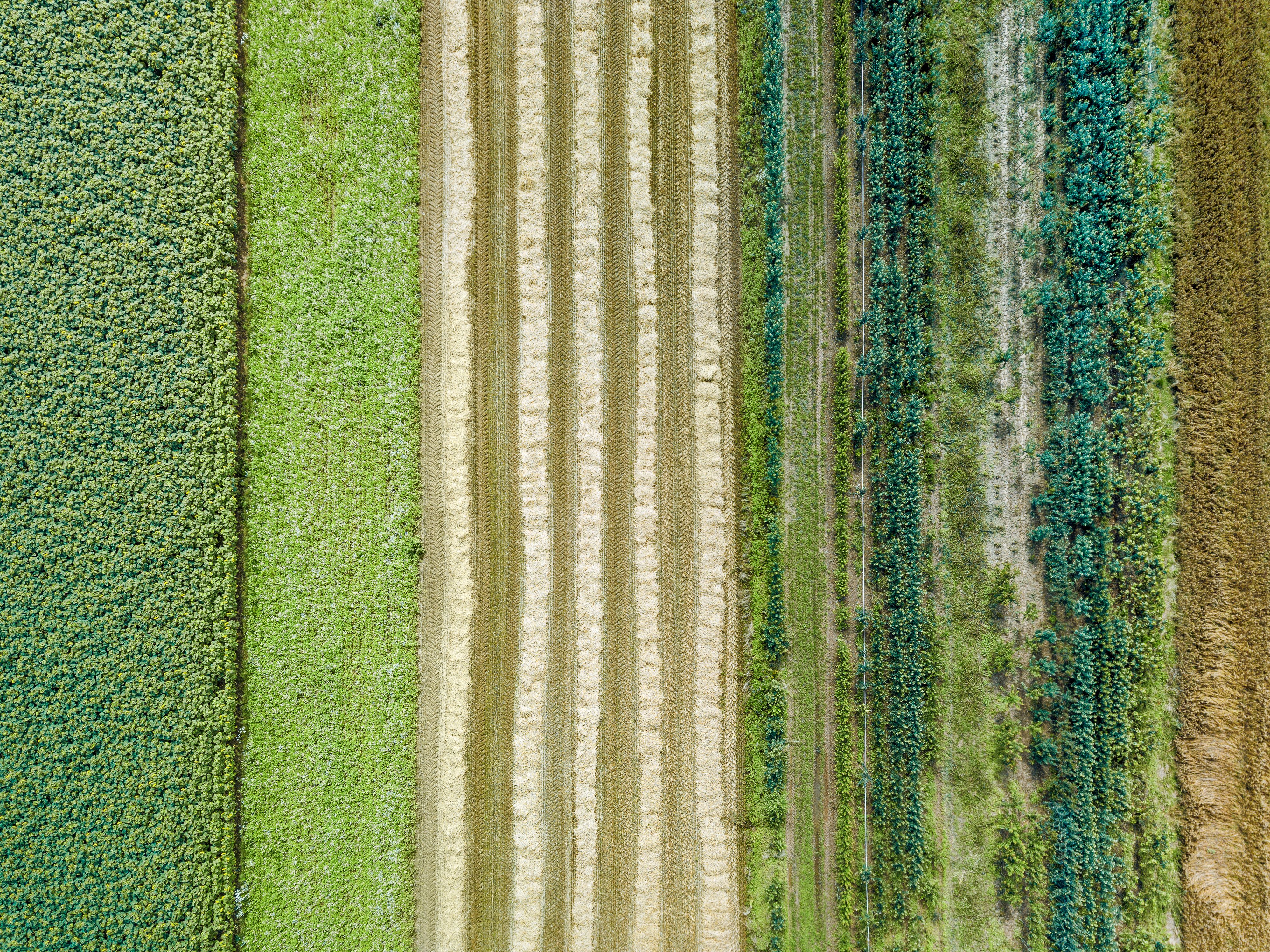
Plant selection is crucial in permaculture. Native plants are often preferred as they are adapted to local conditions and require less maintenance. In Chicago, consider using prairie grasses, native wildflowers, and hardy trees that thrive in the region's climate.
Installation and Maintenance
The installation of a permaculture system involves implementing the design plan. This may include building raised beds, installing water catchment systems, and planting vegetation. It’s essential to follow sustainable practices during installation to minimize environmental impact.
Maintenance is about observing the system and making adjustments as needed. This might include rotating crops, managing pests naturally, and ensuring soil fertility through composting and mulching.

Community Involvement
Permaculture projects can benefit greatly from community involvement. In Chicago, there are numerous community gardens and urban farms that provide opportunities for learning and collaboration. Engaging with local groups can enhance the success and reach of permaculture initiatives.
Conclusion
Permaculture design and installation in Chicago offer a practical approach to creating sustainable urban environments. By understanding the local ecosystem and applying permaculture principles, individuals and communities can transform their spaces into vibrant, productive landscapes that benefit both people and the planet.