Case Study: Transforming a Chicago Backyard with Sustainable Practices
In the heart of Chicago, a bustling city known for its skyline and vibrant culture, one family decided to transform their backyard into a sustainable oasis. By implementing eco-friendly practices, they not only enhanced the beauty of their outdoor space but also contributed positively to the environment.
Initial Assessment and Planning
The project began with a thorough assessment of the existing backyard. The family wanted to create a space that was both functional and sustainable. Key considerations included soil quality, water usage, and the types of plants that would thrive in Chicago's climate.
An essential step was setting clear goals. The family aimed to reduce water consumption, incorporate native plants, and use recycled materials wherever possible. This guided the entire transformation process.

Choosing Native Plants
Native plants are crucial for a sustainable garden as they require less water and maintenance. The family worked with a local horticulturist to select species that were well-suited to the region. Prairie grasses, coneflowers, and black-eyed Susans were among the chosen varieties.
By opting for native plants, the garden not only thrived with minimal intervention but also supported local wildlife, including butterflies and bees, enhancing biodiversity.
Water Conservation Techniques
Water conservation was a top priority. The family installed a rainwater harvesting system to collect and store rainwater, which was then used to irrigate the garden. Drip irrigation systems further ensured efficient water use by delivering water directly to the plant roots.
Additionally, they incorporated permeable paving materials to reduce runoff and allow rainwater to seep back into the ground, replenishing the water table.
Utilizing Recycled Materials
Incorporating recycled materials was another critical aspect of the project. The family sourced reclaimed wood for garden beds and used recycled bricks for pathways. This not only minimized waste but also added a rustic charm to the backyard.
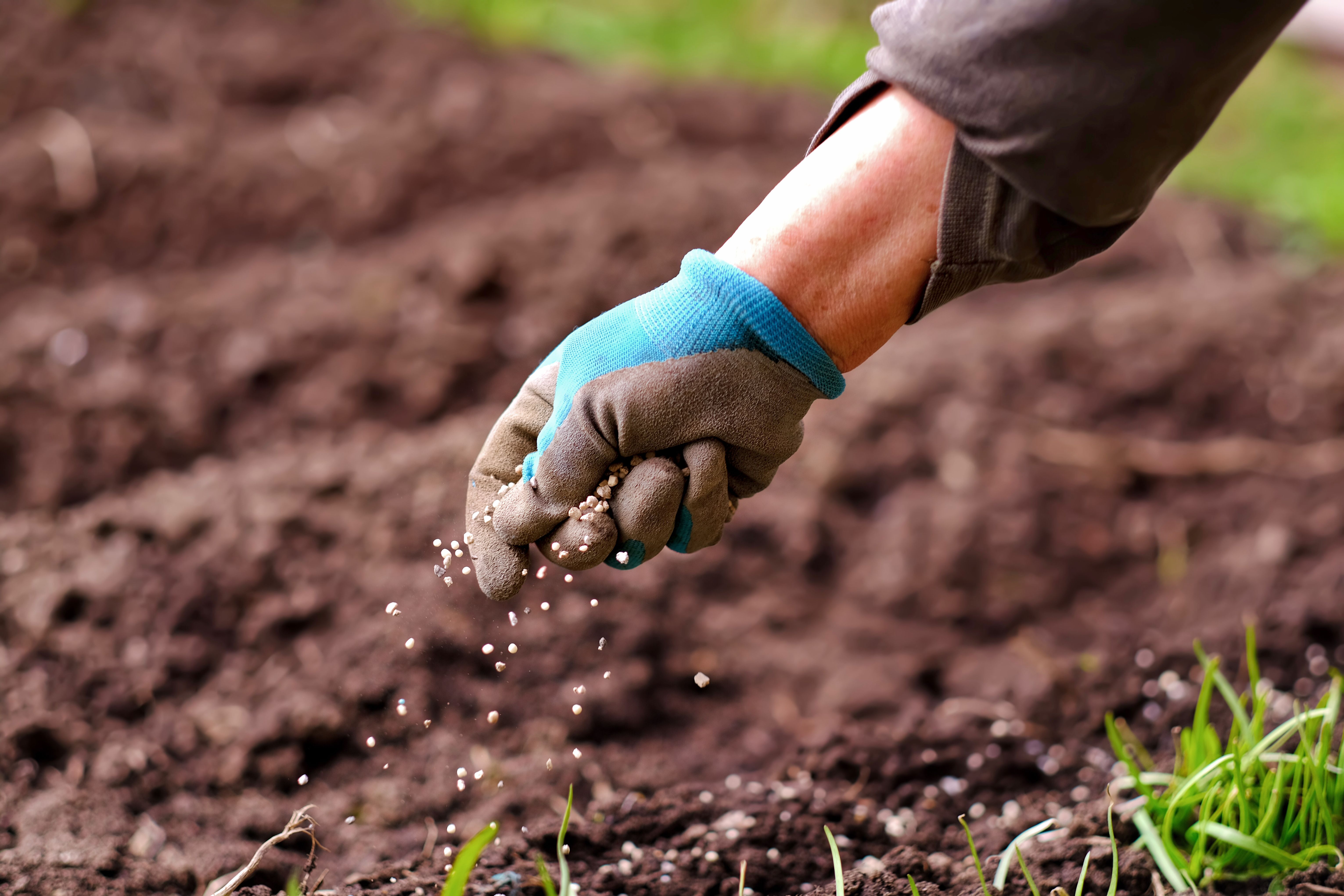
Composting was introduced to manage organic waste. Kitchen scraps and garden clippings were transformed into nutrient-rich compost, providing natural fertilizer for the plants.
Results and Benefits
The transformation was a resounding success. The backyard became a serene escape, showcasing a harmonious blend of nature and sustainability. The family reported a significant reduction in water usage and maintenance costs, while enjoying the increased presence of birds and pollinators.
Beyond personal satisfaction, the project served as an inspiration to the local community. Neighbors and friends were motivated to adopt similar sustainable practices, creating a ripple effect throughout the neighborhood.

Conclusion
This case study highlights the impact of sustainable practices in transforming urban spaces. By prioritizing native plants, water conservation, and recycled materials, the family achieved a beautiful, eco-friendly backyard that benefits both the environment and their lifestyle.
As more people recognize the value of sustainability, such initiatives can play a pivotal role in promoting environmental stewardship in urban areas worldwide.