Case Study: Transforming a Chicago Neighborhood with Sustainable Design
Introduction to Sustainable Design
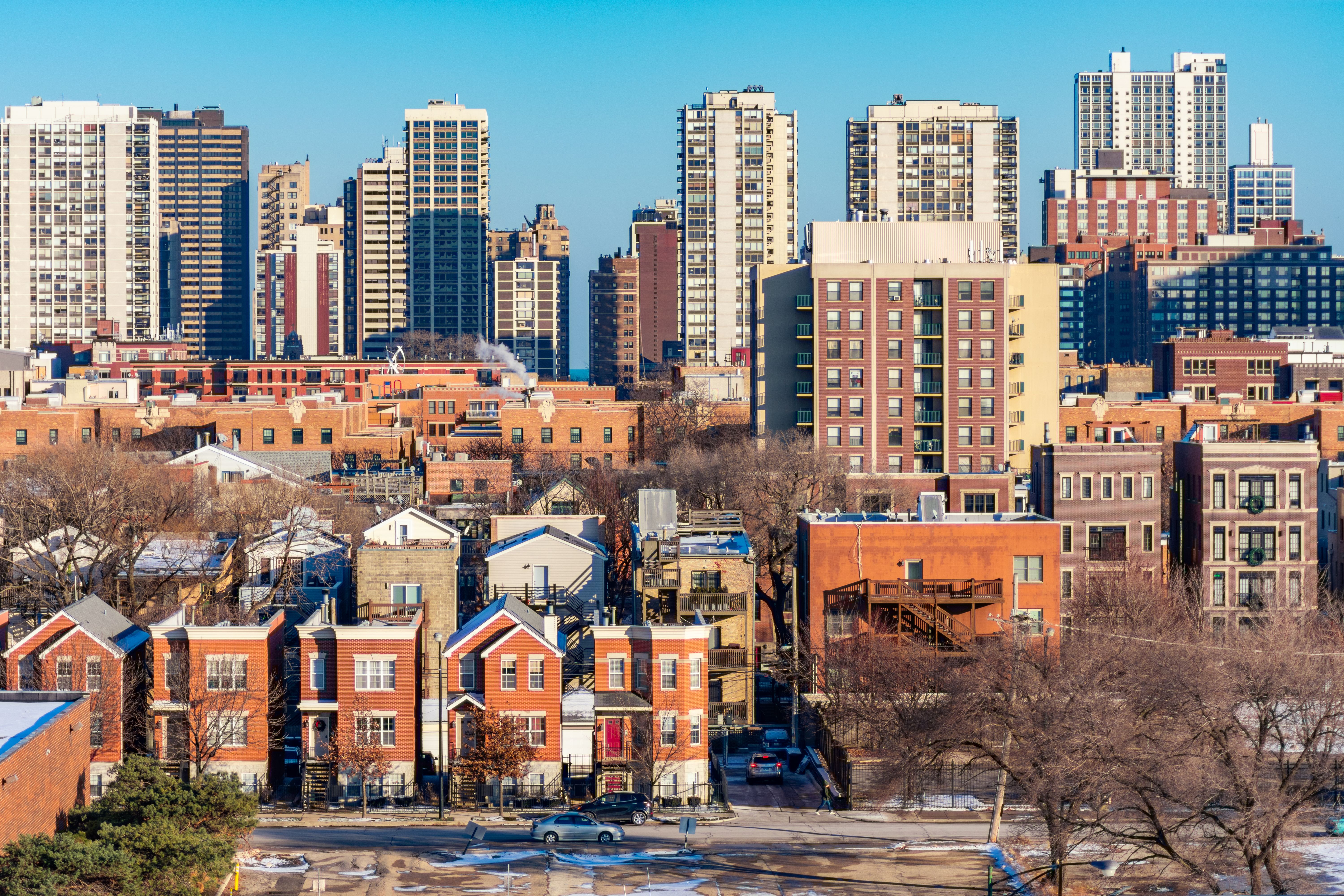
In recent years, sustainable design has gained significant traction as communities worldwide recognize the importance of environmentally friendly practices. A prime example of this movement can be seen in the transformation of a Chicago neighborhood, where innovative design principles have redefined urban living.
Community Engagement and Planning
The transformation began with extensive community engagement, ensuring that residents were at the heart of the planning process. Workshops and meetings were held to gather input and ideas, fostering a sense of ownership among locals. This collaborative approach was key to the project's success.
Identifying Key Areas for Improvement
During the planning phase, several key areas were identified for improvement. These included enhancing green spaces, improving public transportation, and increasing energy efficiency in residential and commercial buildings. By focusing on these areas, the project aimed to create a more sustainable and livable community.
Implementing Green Infrastructure
One of the most significant changes was the implementation of green infrastructure. This included the installation of green roofs, permeable pavements, and rain gardens. These innovations not only improved stormwater management but also increased biodiversity and reduced urban heat.

Renewable Energy Sources
To further reduce the neighborhood's carbon footprint, renewable energy sources like solar panels and wind turbines were introduced. These technologies provide clean energy to local homes and businesses, significantly lowering energy costs and promoting environmental sustainability.
Revitalizing Public Spaces
Revitalizing public spaces was crucial in making the neighborhood more attractive and functional. Parks were upgraded with native plants, walking paths, and recreational facilities. These improvements have increased outdoor activity and community engagement, contributing to residents' overall well-being.
Transportation and Mobility
Improving transportation was another focus area. The introduction of bike lanes and pedestrian-friendly streets has made it easier and safer for residents to commute without relying on cars. Additionally, public transit options were expanded, offering more sustainable travel choices.
Measuring Success and Impact
The success of the project is measured through various metrics, such as energy savings, increased green space, and community satisfaction. Surveys and studies have shown a marked improvement in the quality of life for residents, validating the efforts of planners and the community.
Future Prospects
Looking ahead, the neighborhood serves as a model for sustainable urban development. Its success has inspired other communities to adopt similar practices, demonstrating the transformative power of sustainable design. By continuing to innovate and engage with residents, the neighborhood is poised for even greater achievements.
In conclusion, the transformation of this Chicago neighborhood is a testament to the potential of sustainable design. By prioritizing community involvement, green infrastructure, and renewable energy, it has set a standard for future urban development projects.