Common Misconceptions About Landscape Design: Insights from Chicago Experts
Understanding Landscape Design Misconceptions
Landscape design plays a crucial role in enhancing the beauty and functionality of outdoor spaces. Yet, many people have misunderstandings about what it entails. In this blog post, we’ll explore some common misconceptions about landscape design, drawing insights from experts in Chicago.
Myth 1: Landscape Design is Just About Aesthetics
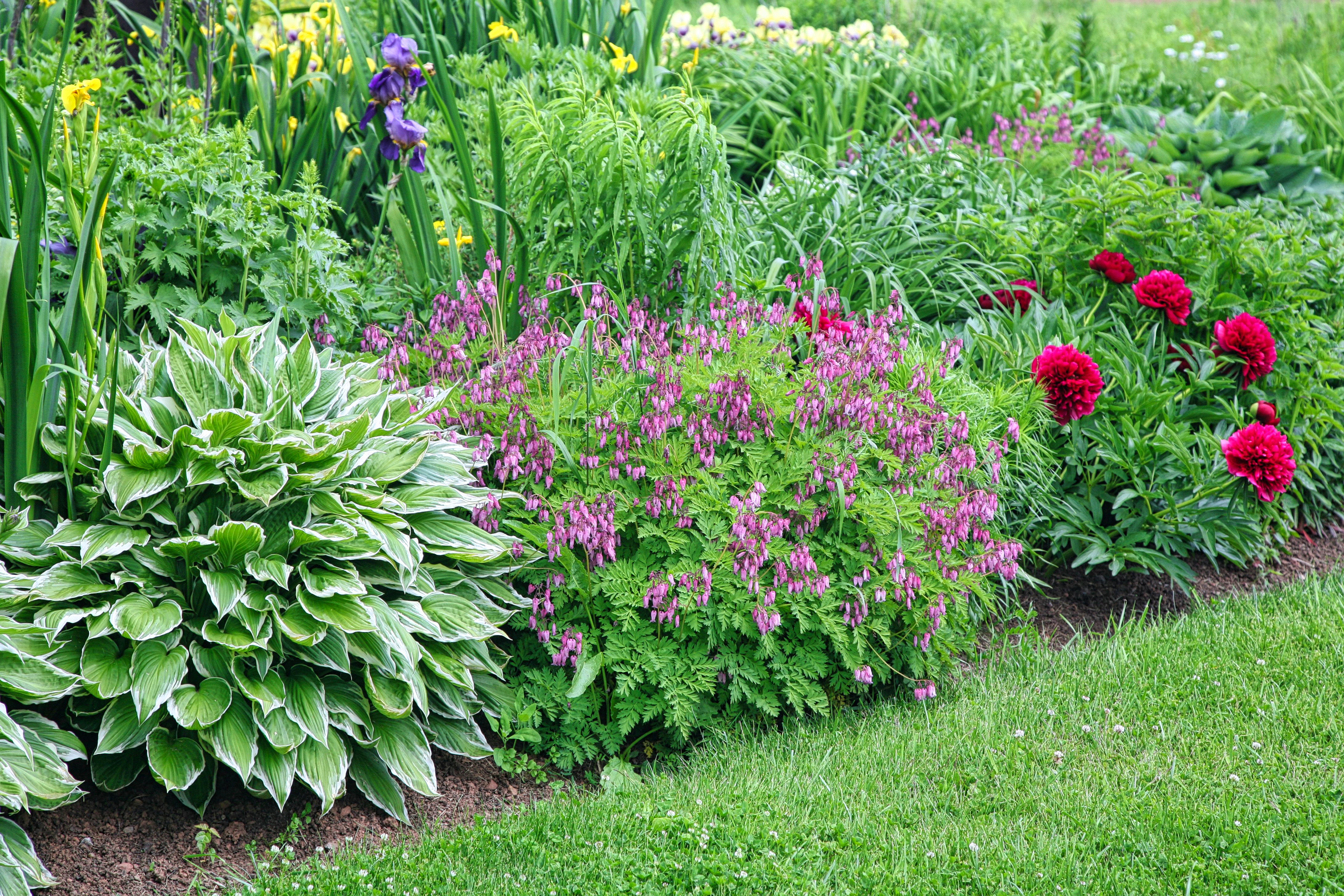
One prevalent misconception is that landscape design is solely about aesthetics. While creating visually appealing spaces is important, functionality and sustainability are equally crucial. A well-designed landscape considers environmental factors, climate, and usability, ensuring the space is both beautiful and practical.
Myth 2: It’s a One-Time Project
Many believe that landscape design is a one-time project. However, landscapes are dynamic and require ongoing maintenance and adjustments. Plants grow and change with the seasons, and regular care is essential to keep the landscape thriving. Design should be viewed as an evolving process rather than a static outcome.
The Role of Climate in Landscape Design
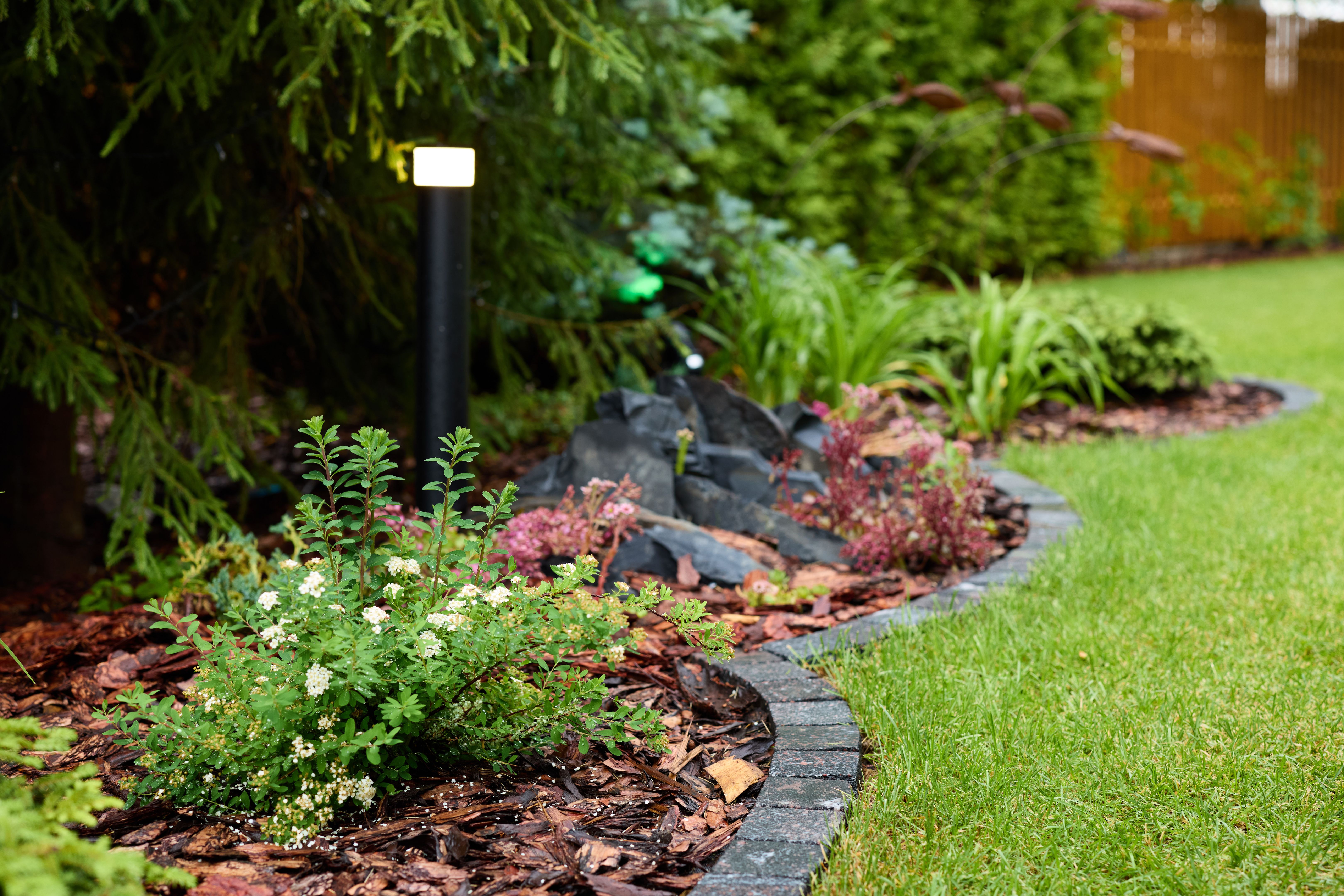
Another common misunderstanding is the role of climate in landscape design. In a city like Chicago, where weather conditions vary significantly, it’s vital to choose plants and materials that can withstand local climates. Ignoring climate considerations can lead to landscapes that are difficult to maintain and prone to damage.
Myth 3: DIY is Always Cheaper
While DIY projects can be rewarding, they are not always cost-effective. Professional landscape designers bring valuable expertise, ensuring the right plants, materials, and designs are used from the start. Mistakes in a DIY project can lead to costly fixes, making professional help a wise investment.

Myth 4: Native Plants Are Limiting
Some homeowners feel that using native plants limits design possibilities. However, native plants are often more sustainable and require less maintenance. They are well-suited to local conditions, supporting wildlife and contributing to biodiversity. Experts recommend incorporating native species to create robust and resilient landscapes.
The Importance of Planning
Effective landscape design requires careful planning and consideration. Misunderstanding the time and effort involved can lead to disappointing results. Working with a professional can help create a detailed plan that addresses both current needs and future growth.
By understanding and dispelling these misconceptions, homeowners can appreciate the true value of landscape design. Whether you're starting a new project or enhancing an existing space, consider consulting with experts to achieve a landscape that's both beautiful and functional.