Comparing Landscape Design Trends: Chicago vs. Neighboring Cities
Introduction to Landscape Design Trends
Landscape design is a dynamic field that continuously evolves, reflecting both cultural influences and environmental considerations. In urban centers like Chicago and its neighboring cities, these trends manifest uniquely due to varying local preferences and climatic conditions.
Understanding these differences can be beneficial for homeowners, architects, and design enthusiasts looking to create functional and aesthetically pleasing outdoor spaces.
Chicago's Urban Elegance
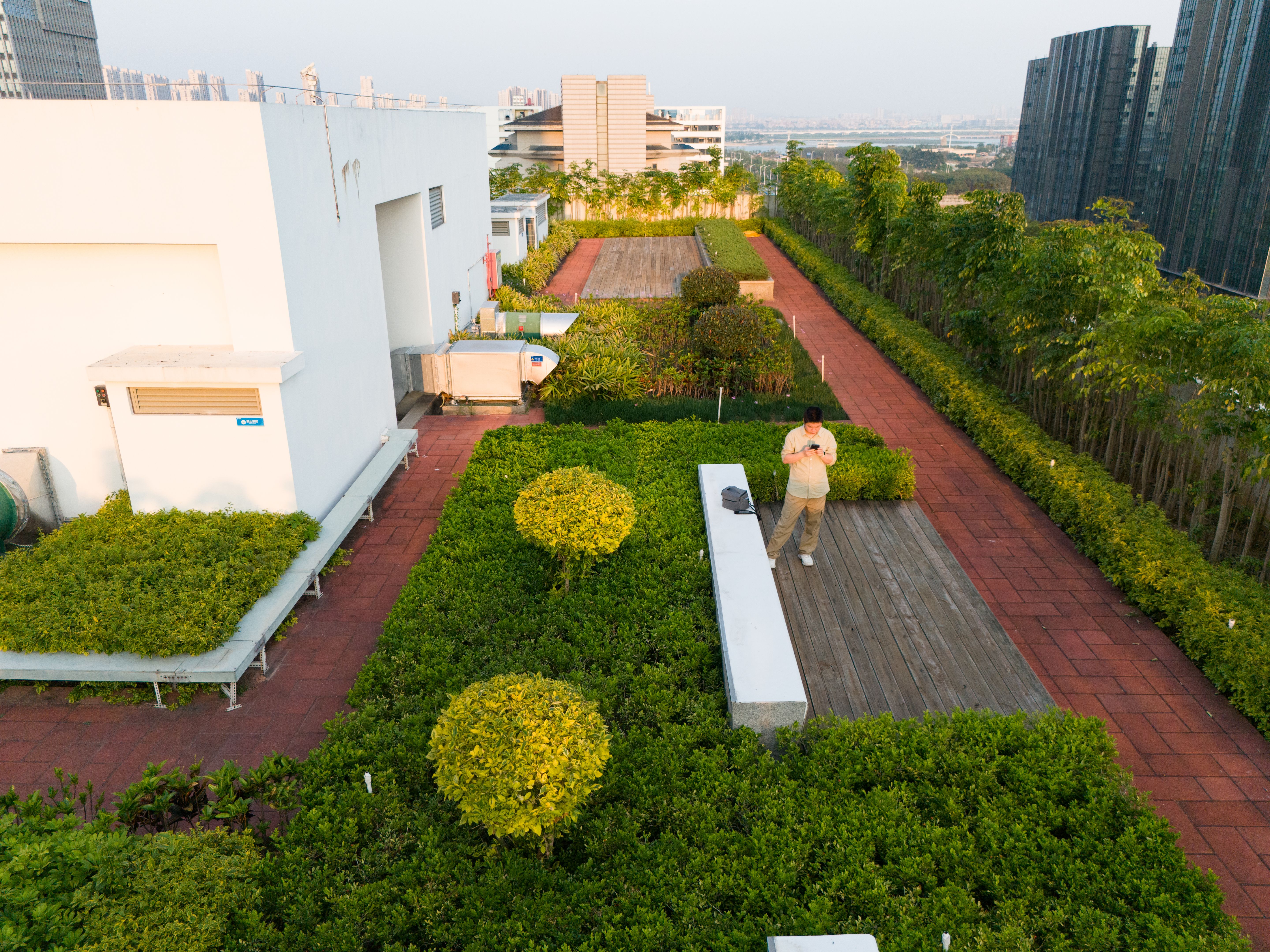
Chicago is known for its sleek, modern approach to landscape design. The city embraces minimalist aesthetics, often incorporating clean lines and sustainable practices. Green roofs and vertical gardens are popular, reflecting a commitment to environmental sustainability.
Many Chicagoans prefer native plants that thrive in the local climate, reducing the need for excessive watering and maintenance. The focus is on creating low-maintenance yet visually compelling spaces.
Incorporation of Art and Architecture
Art and architecture significantly influence Chicago's landscape design. Outdoor spaces often feature sculptures and artistic installations, integrating seamlessly with the city's architectural marvels. This trend highlights the city’s appreciation for art, making outdoor areas extensions of indoor living spaces.
Suburban Sophistication in Neighboring Cities
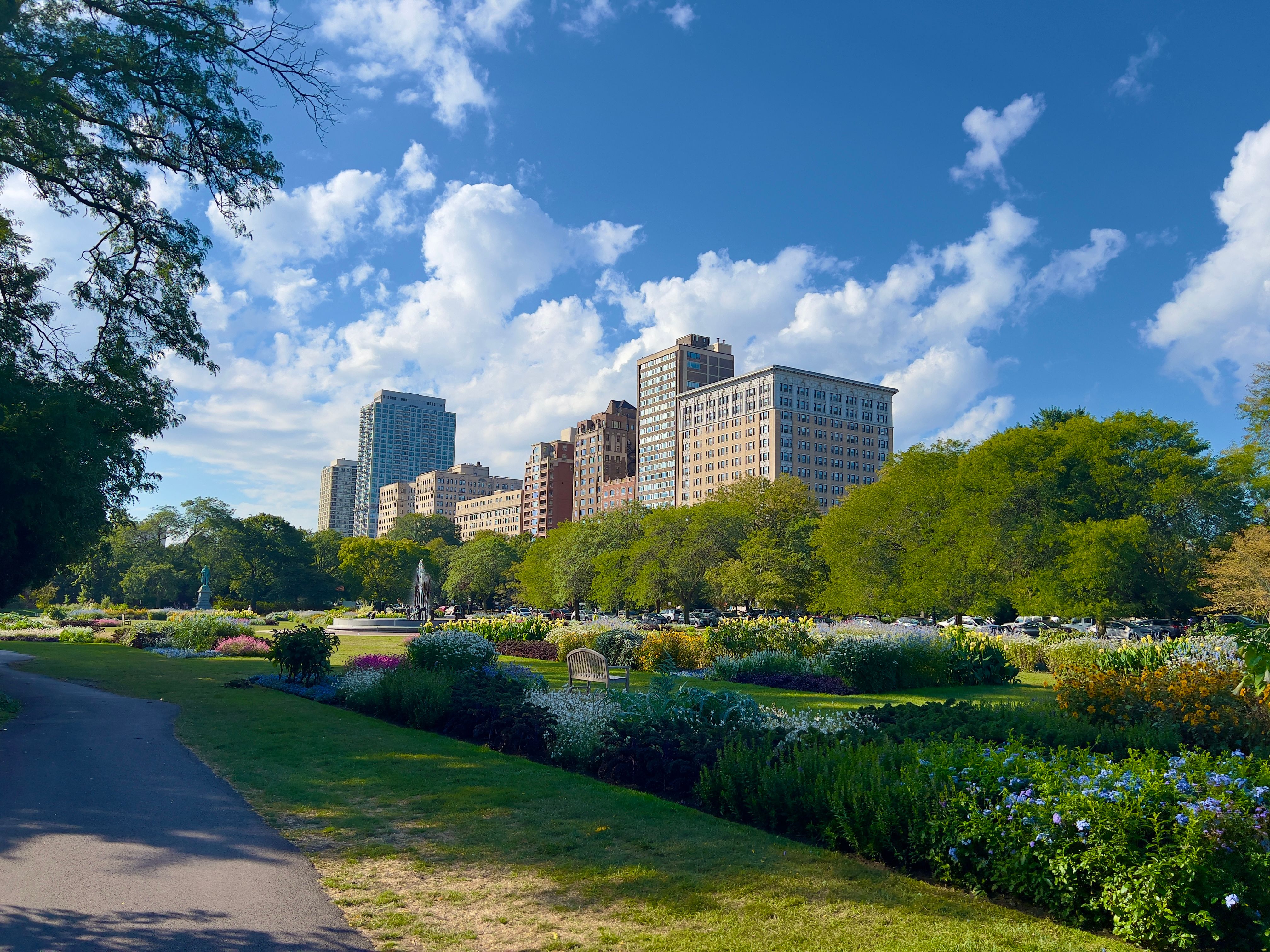
In contrast, neighboring cities like Evanston and Naperville adopt a more traditional approach, often emphasizing lush greenery and expansive lawns. These areas favor a classic suburban aesthetic, with a focus on creating family-friendly environments.
Natural stone pathways, water features, and colorful flower beds are common, providing a sense of tranquility and harmony with nature. These features enhance the suburban charm and are designed to foster relaxation.
Community-Centric Spaces
Community gardens and shared spaces are increasingly popular in suburban areas. These provide residents with opportunities to engage with nature and each other, promoting a sense of community and shared environmental responsibility.
Comparative Analysis: Style and Functionality
When comparing Chicago with its neighboring cities, the balance between style and functionality becomes evident. Chicago favors a more modern and efficient design, while suburban areas prioritize comfort and leisure.
This difference is largely influenced by the urban density and lifestyle preferences of residents. In Chicago, space is often at a premium, driving the need for efficient, multi-functional designs.
Climate Considerations
Climate also plays a crucial role in shaping landscape design. Chicago's harsh winters and hot summers require resilient plant selections and materials that can withstand temperature fluctuations. In contrast, neighboring cities might have slightly more flexibility in design due to larger plots and less urban congestion.
Conclusion: Celebrating Diversity in Design
Ultimately, the landscape design trends of Chicago and its neighboring cities showcase the rich diversity in urban and suburban planning. Each area has its own signature style, reflecting the unique characteristics and preferences of its residents.
Whether you are drawn to Chicago's modern minimalism or the classic charm of its suburbs, there is inspiration to be found in the varied landscapes of this vibrant region.