Comparing Traditional vs. Sustainable Landscaping: Which is Right for You?
Understanding Traditional Landscaping
Traditional landscaping often focuses on aesthetic appeal through manicured lawns, ornamental plants, and symmetrical designs. This style is characterized by its use of non-native plants, extensive irrigation, and chemical fertilizers to maintain its pristine look. While visually appealing, this approach can have significant environmental impacts due to high water usage and chemical runoff.
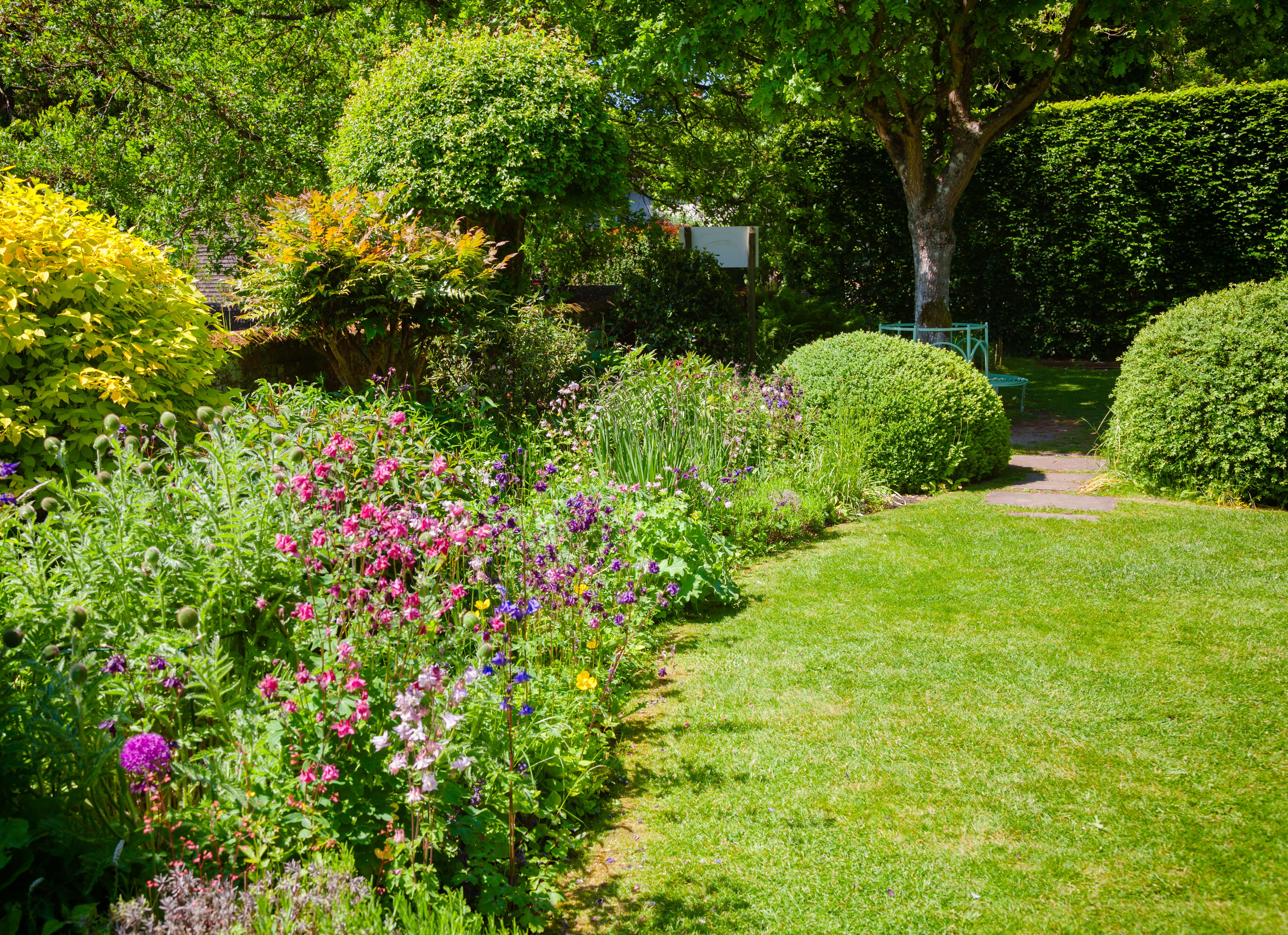
One of the primary benefits of traditional landscaping is its familiarity and universal appeal. Many homeowners appreciate the classic look and feel that this style offers, which can enhance curb appeal and potentially increase property value. However, it’s important to weigh these benefits against the environmental costs.
Exploring Sustainable Landscaping
Sustainable landscaping focuses on environmental harmony by using native plants, efficient water use, and organic materials. This approach promotes biodiversity and creates habitats for local wildlife. Sustainable landscapes are designed to be self-sufficient, reducing the need for extensive maintenance and external resources.
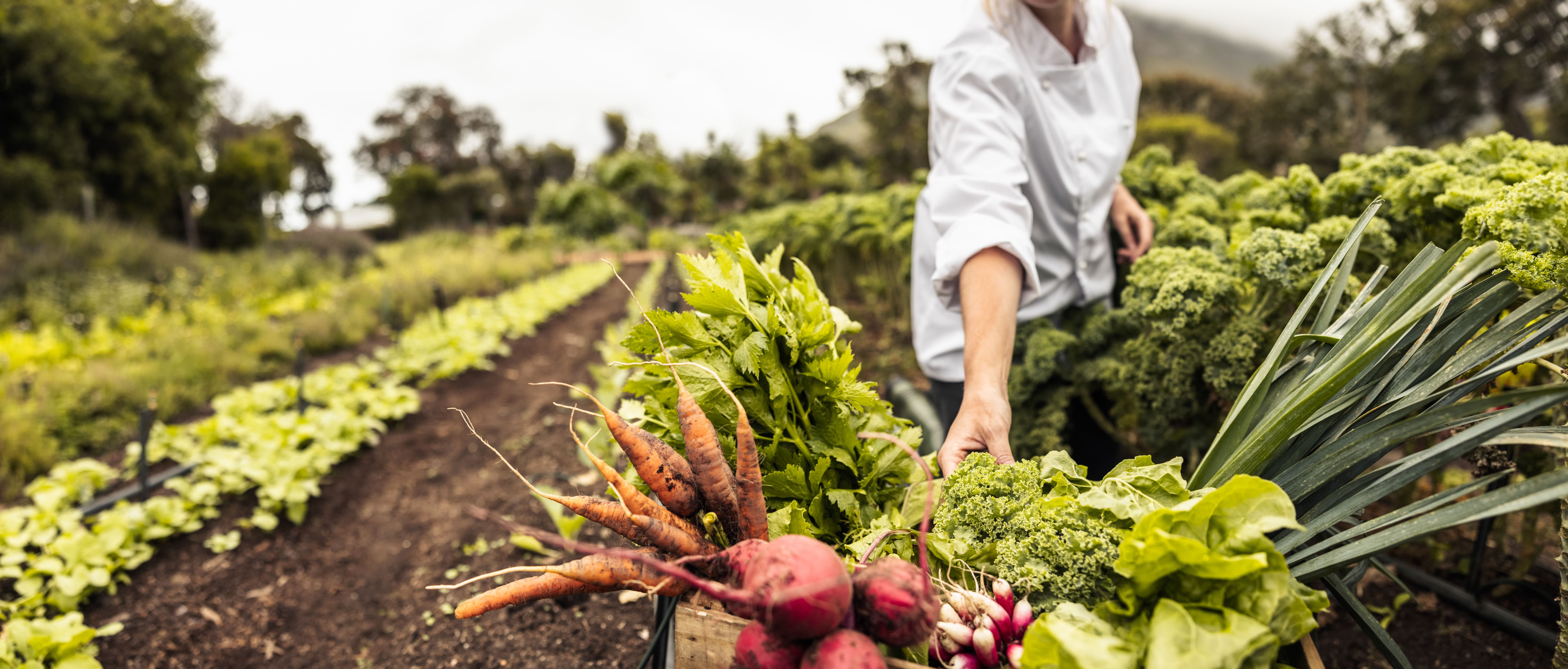
Key features of sustainable landscaping include rain gardens, xeriscaping, and the use of compost instead of chemical fertilizers. These elements not only benefit the environment but also can result in long-term cost savings for homeowners due to reduced water and maintenance requirements.
Benefits of Sustainable Landscaping
Choosing sustainable landscaping can lead to numerous benefits:
- Environmental Impact: Reduces water usage and chemical runoff.
- Cost Efficiency: Lower maintenance costs over time.
- Biodiversity: Supports local wildlife and plant species.
Comparing Costs and Maintenance
When comparing the costs of traditional versus sustainable landscaping, it’s important to consider both initial and long-term expenses. Traditional landscaping may require a larger upfront investment in terms of plants and materials, as well as ongoing costs for water, fertilizers, and pesticides.
Sustainable landscaping, on the other hand, may have a higher initial cost due to the investment in native plants and eco-friendly materials. However, these costs are often offset by reduced water bills and lower maintenance needs over time.
Making the Right Choice for Your Home
The decision between traditional and sustainable landscaping depends on your priorities, budget, and environmental values. If you prioritize a lush, manicured aesthetic and don’t mind the associated costs, traditional landscaping may be the right choice. However, if environmental impact and long-term savings are important to you, sustainable landscaping offers significant advantages.
Ultimately, the right choice will reflect your personal values and lifestyle. Consider consulting with a landscaping professional to explore options and find a balance that suits your needs. By thoughtfully considering these factors, you can create an outdoor space that enhances your home and respects the environment.