DIY Horticulture Design Tips for Chicago Homeowners
Understanding Chicago's Climate
Chicago's climate presents unique challenges and opportunities for DIY horticulture enthusiasts. Known for its cold winters and hot summers, Chicago's weather requires careful selection of plants that can thrive in such conditions. Hardy perennials are a great choice, as they can withstand temperature fluctuations and return year after year.
When planning your garden, consider the microclimates within your yard. Areas that receive more sunlight or are shielded from the wind can support different types of plants. Identifying these zones will help you make informed decisions about plant placement.

Choosing the Right Plants
Selecting the right plants is crucial for a successful horticulture project. Native plants are particularly well-suited for Chicago's environment as they are adapted to local soil and weather conditions. Consider species like coneflowers, black-eyed Susans, and wild geraniums for a vibrant and resilient garden.
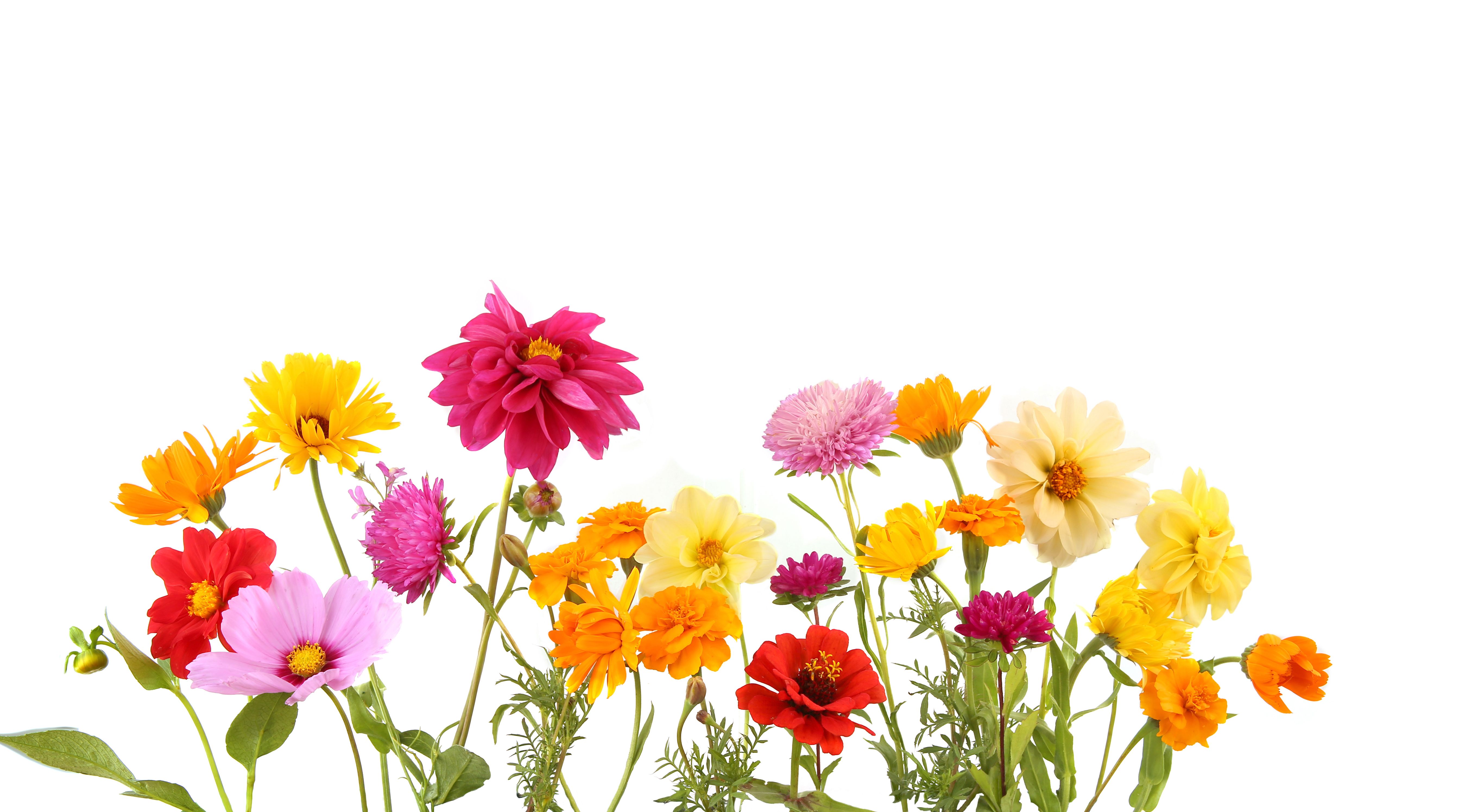
Mixing annuals and perennials can add both immediate color and long-term stability. Annuals like petunias and marigolds bring bright, seasonal colors, while perennials offer a more permanent landscape structure.
Designing Your Garden Layout
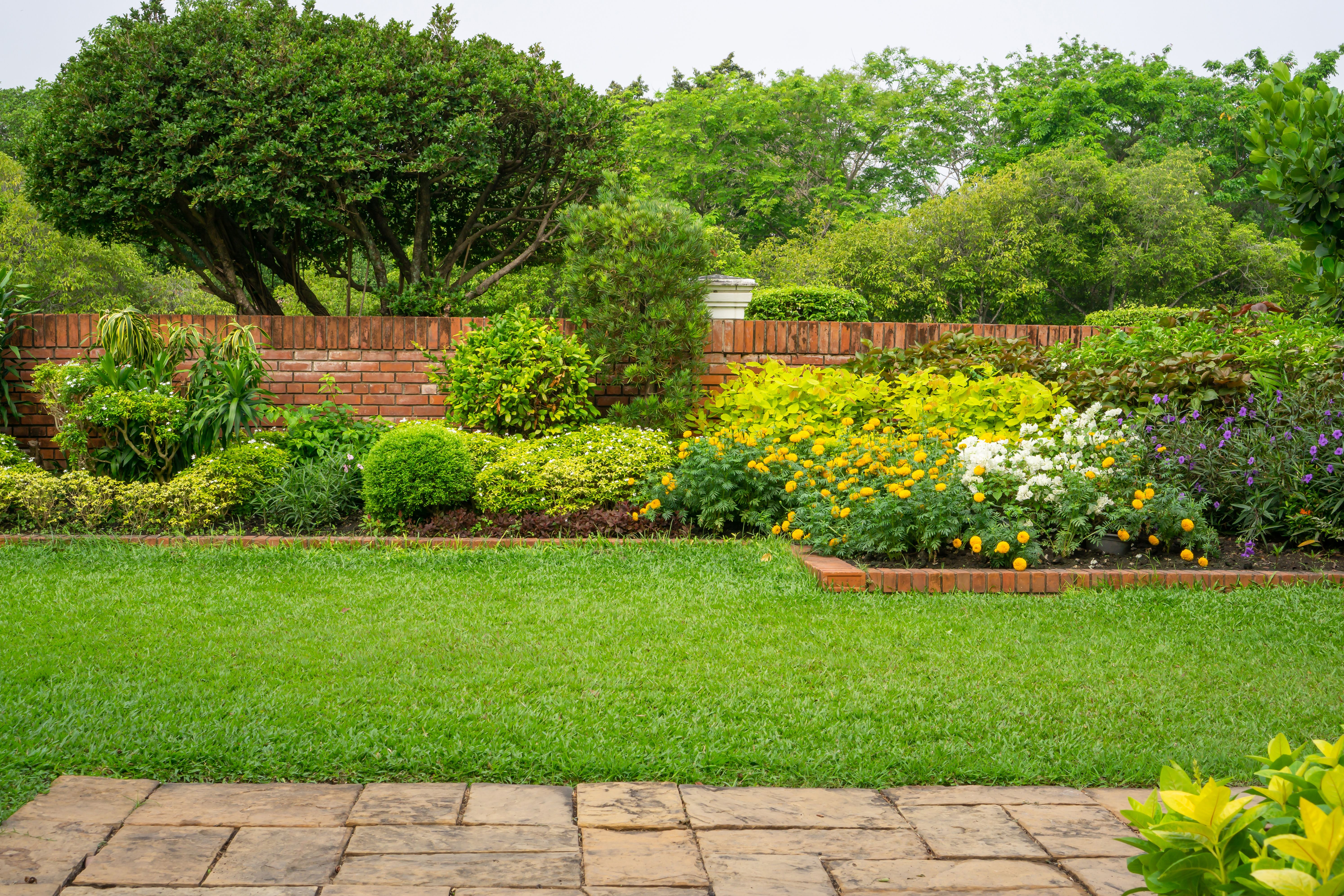
When designing your garden, think about the space you have available and how you want to utilize it. Creating a focal point, such as a stunning flower bed or a tranquil water feature, can enhance the visual appeal. Use layering techniques by placing taller plants at the back and shorter ones at the front to add depth.
Pathways and borders can also define different areas of your garden, guiding visitors through a curated experience. Consider using natural materials like stone or wood to complement your plant choices.
Soil and Water Management
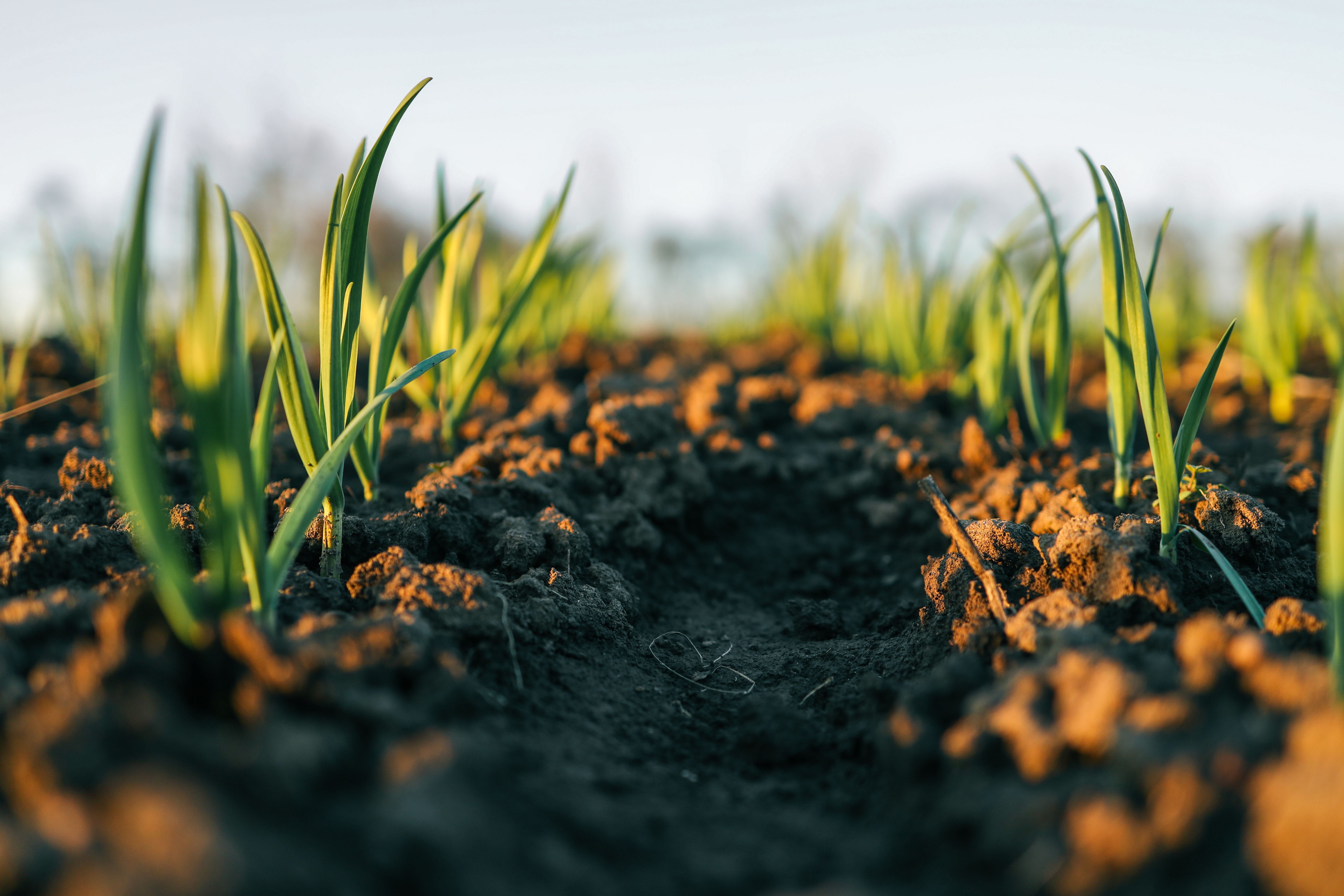
Healthy soil is the foundation of any successful garden. Conduct a soil test to understand its pH level and nutrient composition. Based on the results, you may need to amend your soil with organic matter or specific fertilizers to meet the needs of your chosen plants.
Water management is equally important. Installing a rainwater collection system can be an eco-friendly way to ensure your plants receive adequate hydration. Additionally, using mulch can help retain soil moisture and reduce water evaporation.
Maintenance and Sustainability
Regular maintenance is key to keeping your garden thriving. This includes tasks like pruning, weeding, and monitoring for pests. Implementing sustainable practices such as composting and using natural pest control methods can reduce your environmental impact.
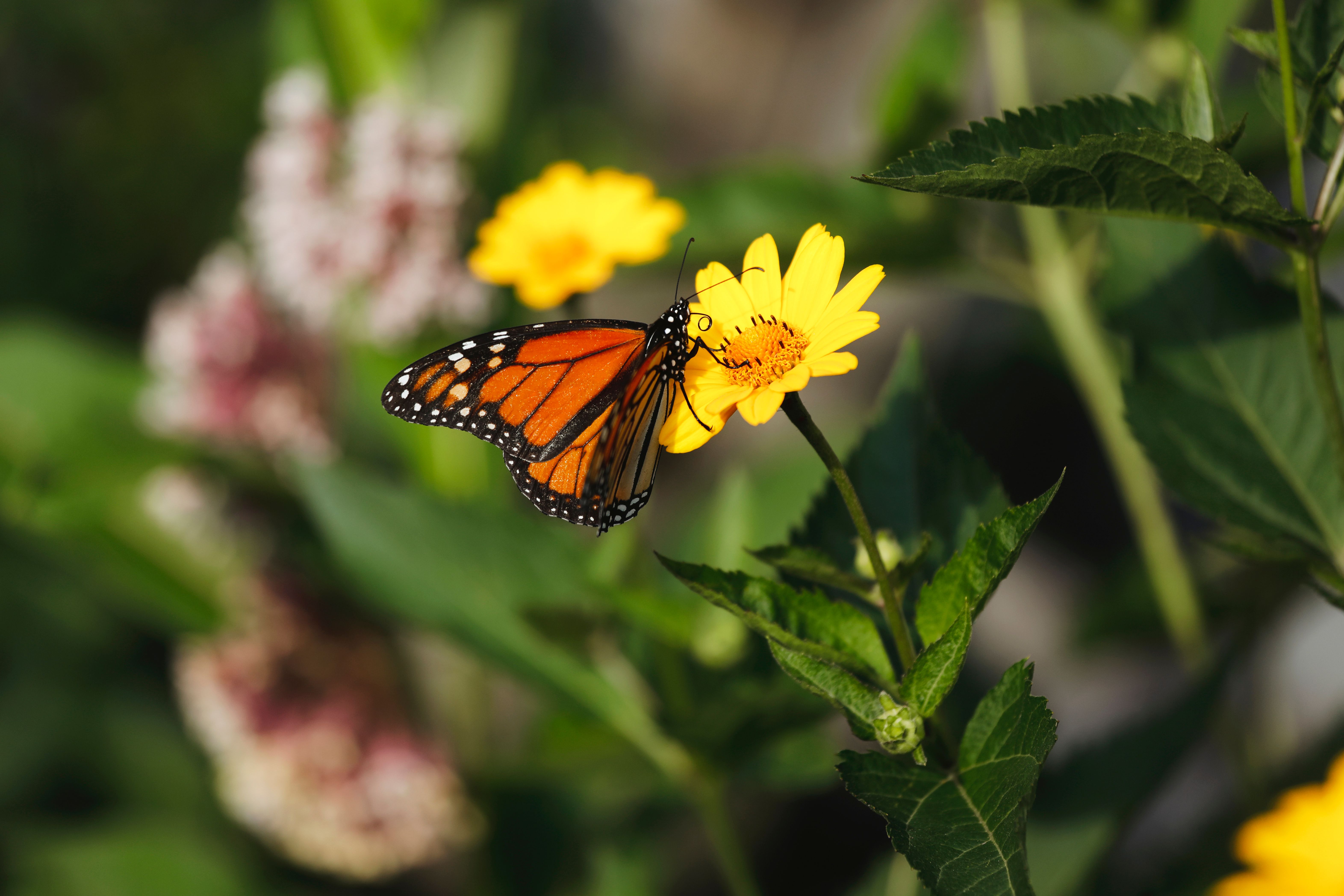
Consider planting a mix of flowering plants that attract beneficial insects like bees and butterflies. This not only supports local biodiversity but also enhances the overall health of your garden ecosystem.