Expert Insights: The Future of Landscape Design in Chicago
Introduction to the Future of Landscape Design
The landscape design industry in Chicago is experiencing an exciting evolution. With urban spaces becoming more limited and environmental concerns rising, designers are reimagining how to create functional and aesthetically pleasing outdoor areas. This article explores expert insights into the future of landscape design in Chicago.
Chicago's unique climate and urban environment present both challenges and opportunities for landscape designers. As the city continues to grow, the demand for innovative, sustainable, and practical design solutions is increasing. Let's delve into the key trends shaping the future of landscape design in this vibrant city.
Sustainable Practices and Green Design
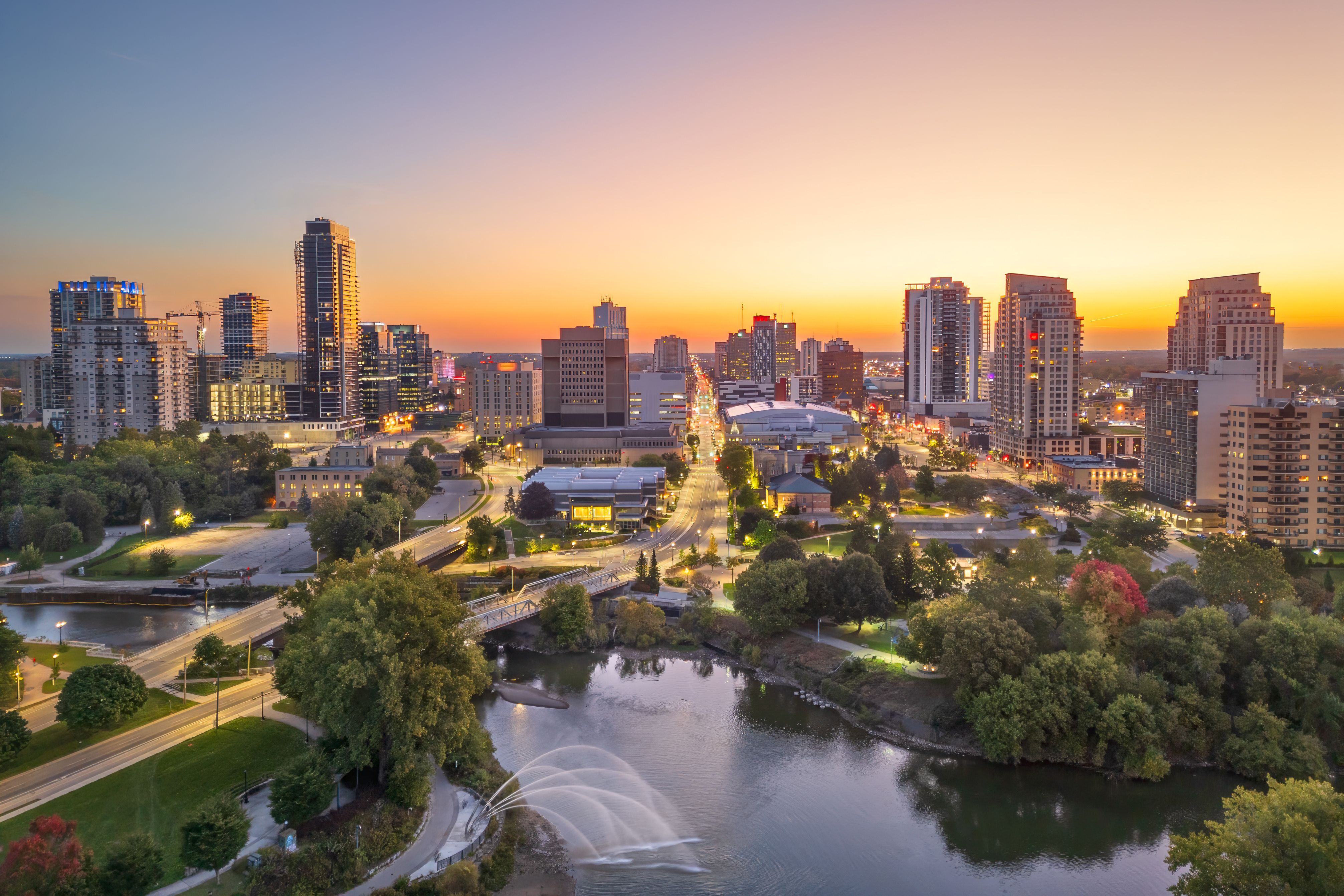
One of the most significant trends in landscape design is the emphasis on sustainability. Designers are increasingly incorporating eco-friendly practices to reduce the environmental impact of their projects. This includes using native plants, which require less water and maintenance, and creating green roofs and walls that help insulate buildings and reduce urban heat.
Sustainable design not only benefits the environment but also enhances the quality of life for residents. By integrating natural elements into urban spaces, designers can create healthier and more enjoyable environments. Expect to see more projects focusing on sustainability in Chicago's landscape design future.
Technology's Role in Landscape Design
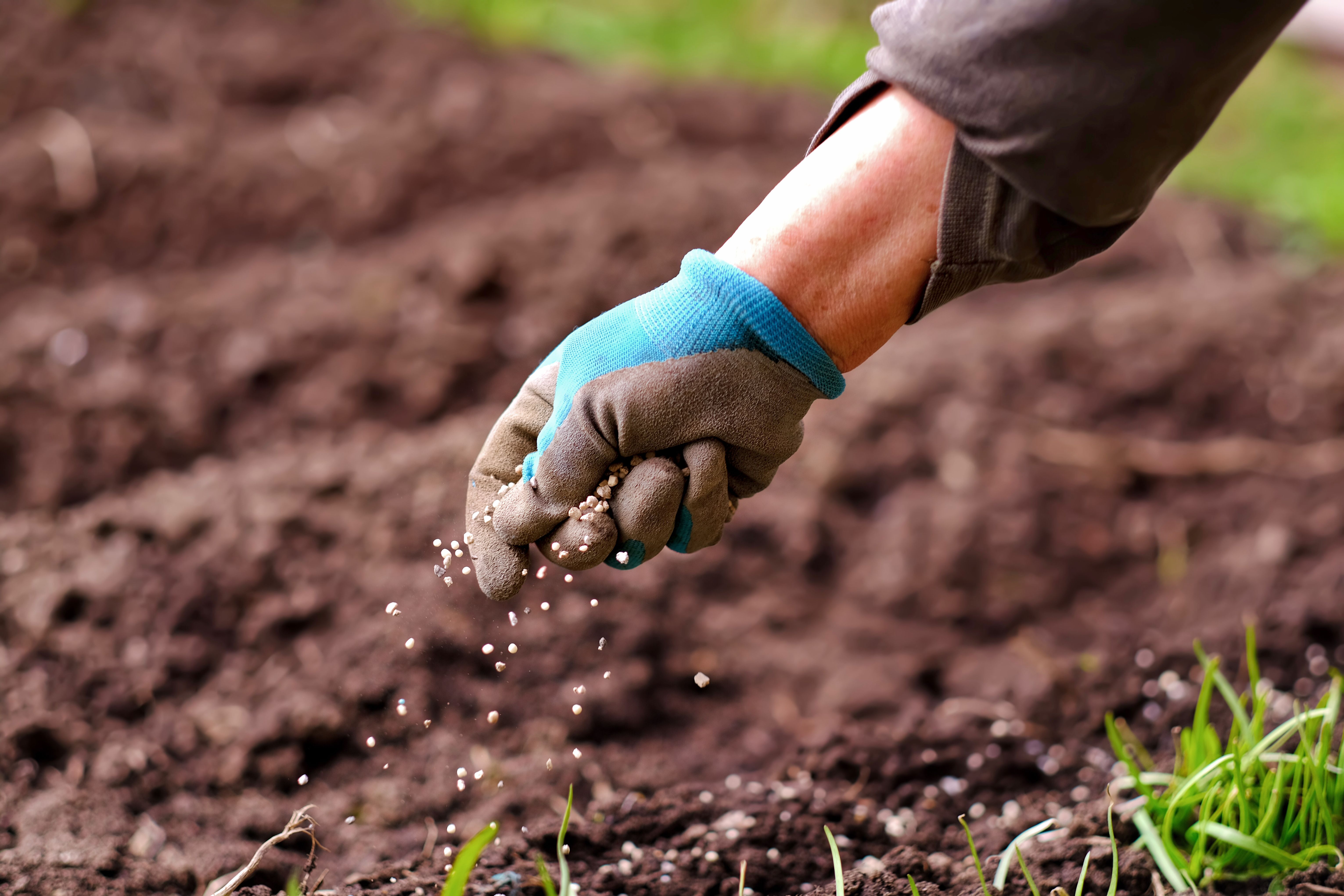
Technology is revolutionizing landscape design, offering new tools and possibilities for creativity. From 3D modeling software to drones, technology is helping designers visualize and plan projects more effectively. This allows for more precise execution and the ability to explore innovative design concepts.
Moreover, smart technology is being integrated into landscape design to create interactive and adaptable environments. For example, smart irrigation systems can optimize water usage, while sensors can monitor soil health and weather conditions. These advancements are making landscapes more efficient and responsive to environmental changes.
Community-Centric Designs
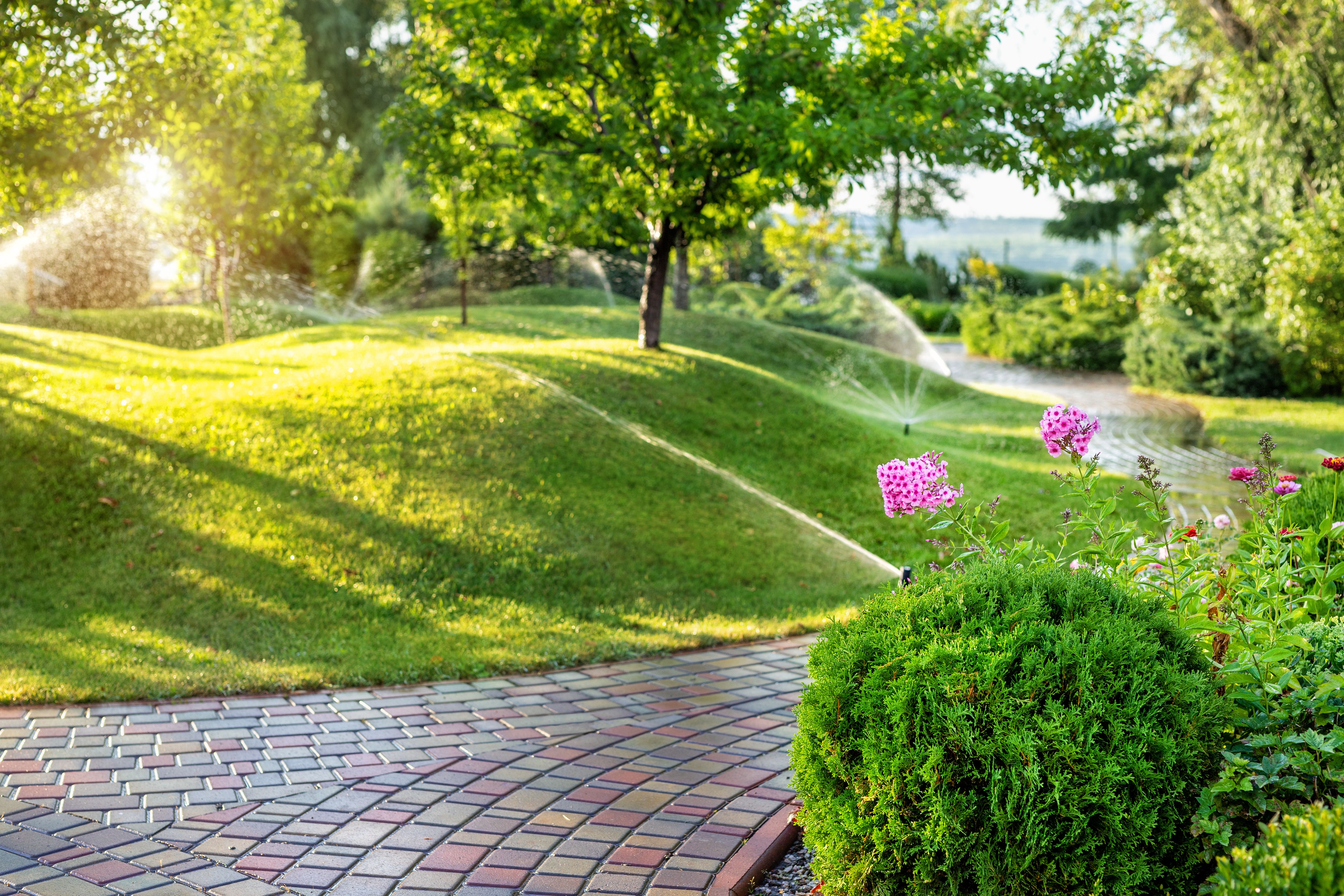
Another important trend is the shift towards community-centric designs. Landscape architects are focusing on creating spaces that foster social interaction and community engagement. Public parks, community gardens, and shared green spaces are becoming integral parts of urban planning.
Designers are engaging with local communities to understand their needs and preferences, ensuring that the landscapes they create are inclusive and accessible. This approach not only enhances the functionality of outdoor spaces but also strengthens community bonds and enhances urban living.
Adapting to Climate Change
With climate change becoming a pressing concern, landscape designers in Chicago are adapting their strategies to mitigate its effects. This includes designing for resilience by incorporating features that manage stormwater, reduce flooding, and withstand extreme weather conditions.
Permeable pavements, rain gardens, and bioswales are some of the solutions being implemented to address these challenges. These strategies not only protect the environment but also enhance the aesthetic appeal and functionality of urban landscapes.

Conclusion: The Future is Bright
The future of landscape design in Chicago is bright, with endless possibilities for innovation and creativity. As designers continue to embrace sustainable practices, leverage technology, and prioritize community engagement, the city's landscapes are set to become more vibrant, resilient, and inclusive.
By staying ahead of trends and adapting to changing needs, landscape designers in Chicago are paving the way for a greener and more sustainable urban future. Whether through technological advancements or community-oriented projects, the future of landscape design promises to enrich the lives of residents and create a more beautiful urban environment.