Expert Insights on Horticulture Design for Small Urban Spaces
Understanding Horticulture Design for Urban Spaces
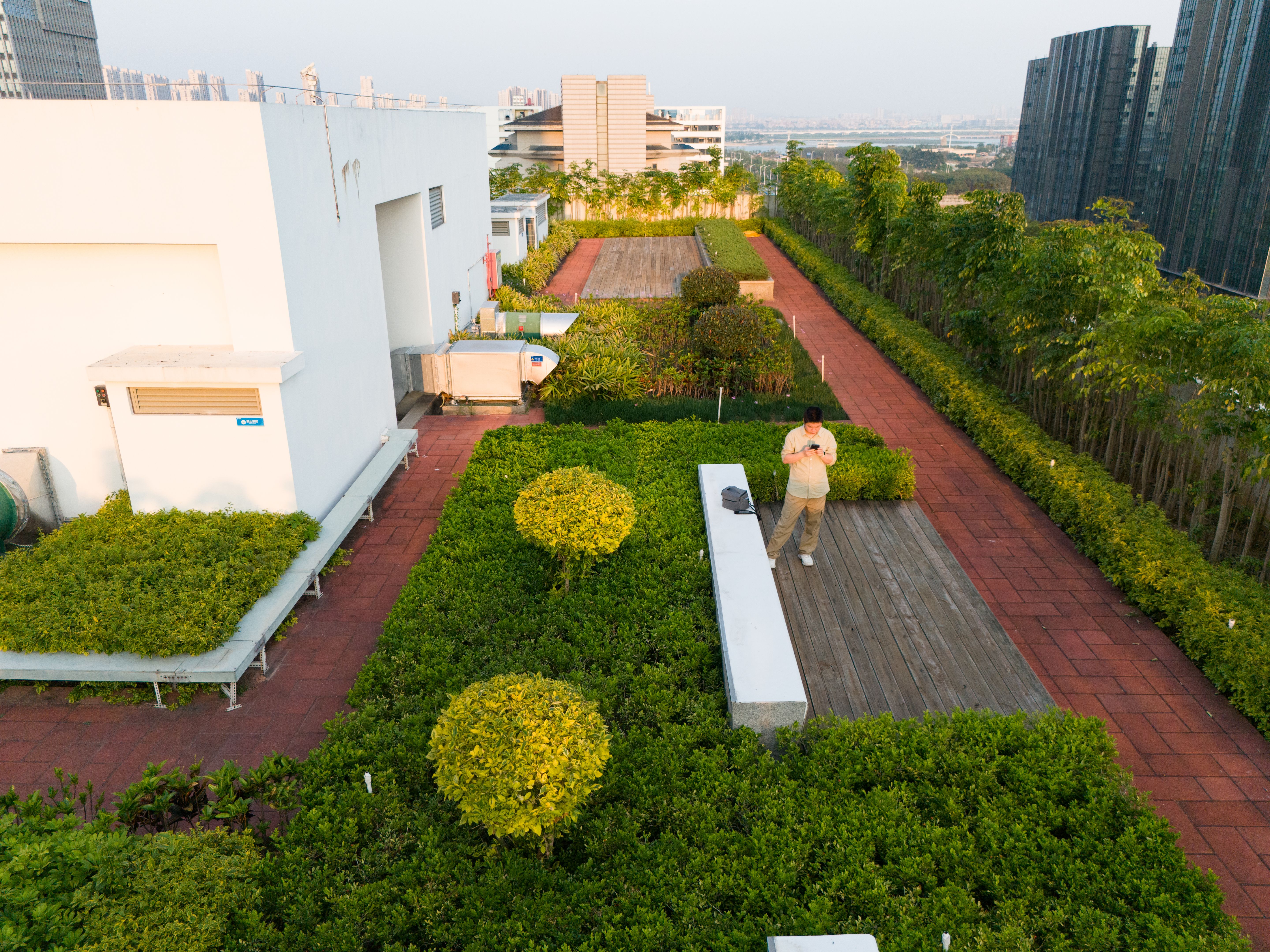
As urbanization continues to rise, the demand for innovative horticulture design in small urban spaces has become increasingly important. These green havens not only enhance aesthetic appeal but also promote environmental sustainability. Experts in horticulture design offer valuable insights on how to effectively transform limited spaces into lush, thriving gardens.
Maximizing Vertical Space
One key strategy in horticulture design for small urban spaces is maximizing vertical space. By utilizing walls, fences, and trellises, you can cultivate climbing plants and vertical gardens. This approach not only saves ground space but also adds a unique dimension to your garden.
Consider incorporating plants like ivy, jasmine, and clematis, which are ideal for vertical growth. Using hanging pots and planters can also further enhance the vertical appeal. Such techniques allow urban gardeners to create a vibrant, green oasis without the need for extensive ground area.
Choosing the Right Plants
Selecting suitable plants is crucial for small urban spaces. Experts recommend choosing species that are adaptable to limited sunlight and varying weather conditions. Succulents, ferns, and small ornamental trees are excellent choices for urban environments.

Additionally, incorporating native plants can be beneficial, as they are more likely to thrive in local climatic conditions. Native plants often require less maintenance and water, making them an eco-friendly option for urban gardeners.
Sustainable Gardening Practices
Adopting sustainable gardening practices is essential in urban horticulture design. Techniques such as composting, rainwater harvesting, and using organic fertilizers can significantly reduce the environmental impact of gardening activities.
- Composting: Recycle organic waste to enrich soil.
- Rainwater Harvesting: Collect rainwater for irrigation purposes.
- Organic Fertilizers: Utilize natural fertilizers to promote healthy plant growth.

Incorporating Functional Elements
Integrating functional elements like seating areas, pathways, and water features can enhance the usability and enjoyment of urban gardens. These additions not only improve the aesthetic value but also provide a space for relaxation and social interaction.
When designing your space, consider using materials that complement the natural environment, such as stone, wood, or recycled materials. These elements can help create a harmonious and inviting atmosphere.
Expert Tips for Urban Gardeners
Experts emphasize the importance of planning and research when designing a garden in limited spaces. Understanding the specific needs of your chosen plants, as well as the environmental conditions of your area, can lead to a thriving garden.
- Conduct soil tests to determine the best plants for your area.
- Monitor sunlight exposure throughout the day.
- Regularly assess and adjust watering schedules to suit plant needs.
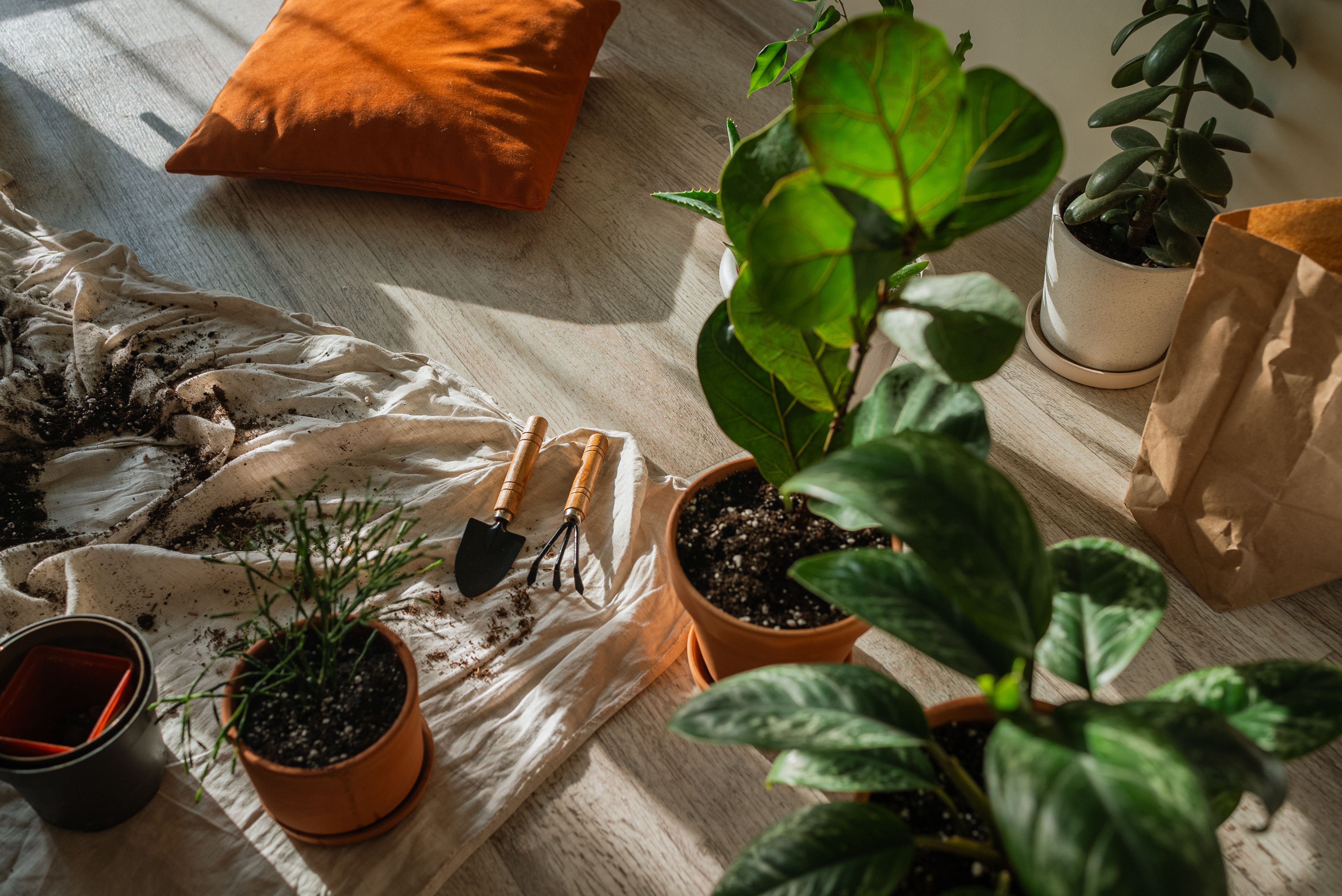
By following these expert insights and strategies, urban gardeners can transform even the smallest spaces into beautiful, sustainable green environments. Whether you're a seasoned gardener or a beginner, embracing these practices can lead to a rewarding horticultural experience in the heart of the city.