Exploring Current Sustainable Landscape Practices in Chicago
Introduction to Sustainable Landscaping
As urban areas continue to expand, the importance of sustainable landscaping practices becomes increasingly critical. In Chicago, a city known for its architectural innovation and green initiatives, the push towards environmentally friendly landscapes is gaining momentum. Residents and city planners alike are seeking ways to create beautiful, functional spaces that also support ecological balance.
Understanding the principles of sustainable landscaping can help in implementing practices that not only beautify spaces but also contribute positively to the environment. This involves using native plants, conserving water, and promoting biodiversity, among other techniques.

Incorporating Native Plants
One of the key strategies in sustainable landscaping is the use of native plants. These are species that have naturally evolved in the region and are well adapted to the local climate and soil conditions. In Chicago, native plants such as purple coneflower and prairie dropseed are popular choices.
By incorporating native plants, gardeners can reduce the need for fertilizers and pesticides, as these plants have natural defenses against local pests. Additionally, they often require less water, aligning with conservation efforts. This practice not only supports local wildlife but also helps maintain the ecological balance of the area.
Benefits of Native Plants
- Reduced maintenance costs
- Enhanced biodiversity
- Improved resilience to local climate conditions

Water Conservation Techniques
Water conservation is a pivotal aspect of sustainable landscaping. In Chicago, where the climate can be unpredictable, efficient water use is essential. Techniques such as rainwater harvesting, drip irrigation, and the use of drought-resistant plants are becoming increasingly popular.
Rain gardens are another innovative solution. These are shallow, planted depressions that allow rainwater runoff from impervious surfaces like roofs and driveways to be absorbed into the ground, reducing runoff and erosion.
Implementing Smart Irrigation
The integration of smart irrigation systems can significantly reduce water usage. These systems use weather data and soil moisture sensors to deliver water precisely when and where it is needed. This technology not only conserves water but also ensures that plants receive optimal hydration.

Promoting Biodiversity
A thriving landscape is one that supports a variety of life forms. By promoting biodiversity, sustainable landscapes in Chicago can offer habitats for birds, insects, and other wildlife. This can be achieved by creating diverse planting schemes that include a mix of trees, shrubs, and flowers.
Incorporating elements like birdhouses, bee hotels, and butterfly gardens can further enhance biodiversity. These features provide shelter and food for various species, encouraging a balanced ecosystem.
Community Involvement
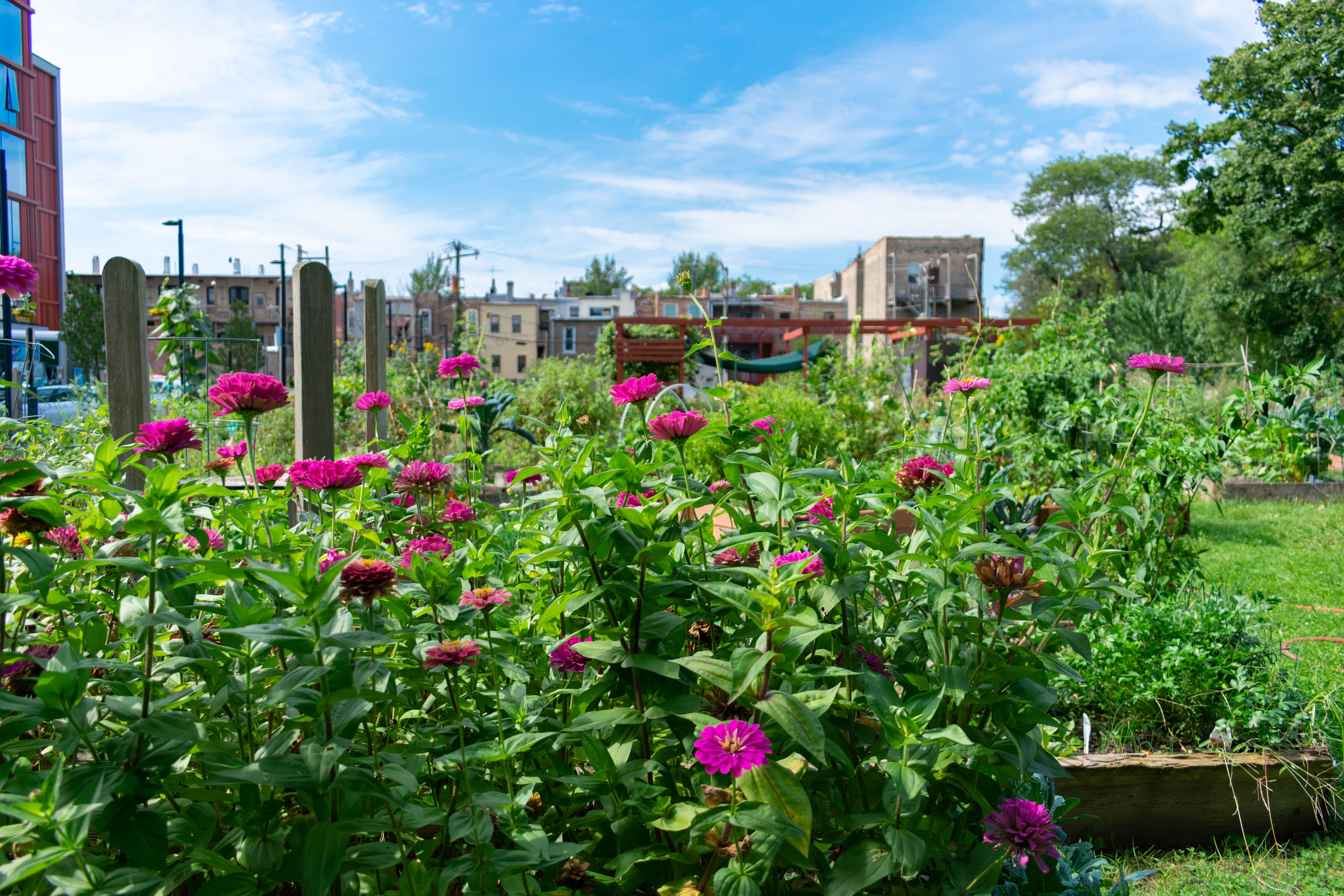
Community participation is vital in promoting sustainable practices. Chicago residents are increasingly engaging in community gardens and local green initiatives. These collaborative efforts not only foster a sense of community but also increase awareness and education on sustainable landscaping techniques.
Conclusion
Sustainable landscaping in Chicago is more than a trend; it is a necessary step toward ecological responsibility. By incorporating native plants, conserving water, and promoting biodiversity, the city is paving the way for a greener, more sustainable future.
As residents and city planners continue to embrace these practices, Chicago serves as a model for other urban areas striving to balance urban development with environmental stewardship. The commitment to sustainability enhances the quality of life and ensures that the city's landscapes remain vibrant and thriving for generations to come.