How Permaculture Can Enhance Your Chicago Landscape
Understanding Permaculture
Permaculture is an innovative approach to landscape design that focuses on creating sustainable and self-sufficient ecosystems. By mimicking the patterns and relationships found in nature, permaculture aims to transform your space into a thriving environment. For Chicago residents, this method offers a way to enhance urban landscapes while promoting environmental health.
Benefits of Permaculture in Urban Settings
Incorporating permaculture into your Chicago landscape can provide numerous benefits. First and foremost, it encourages biodiversity. By planting a variety of species, you support a range of wildlife, from pollinators like bees and butterflies to beneficial insects that keep pests in check.
Moreover, permaculture can improve soil quality. Techniques such as composting and mulching enrich the soil, leading to healthier plants and reduced need for chemical fertilizers. This sustainable approach also helps in conserving water, a crucial aspect in urban areas where resources can be limited.
Designing Your Permaculture Garden
When designing a permaculture garden, start by observing your landscape. Identify the natural sunlight patterns, wind direction, and water flow. These factors will guide you in choosing the right plants and their placement. For instance, drought-resistant plants might be ideal for areas that receive full sun.

Next, consider implementing companion planting. This technique involves growing plants together that benefit each other, such as tomatoes and basil. This not only enhances growth but also deters pests naturally.
Community and Permaculture
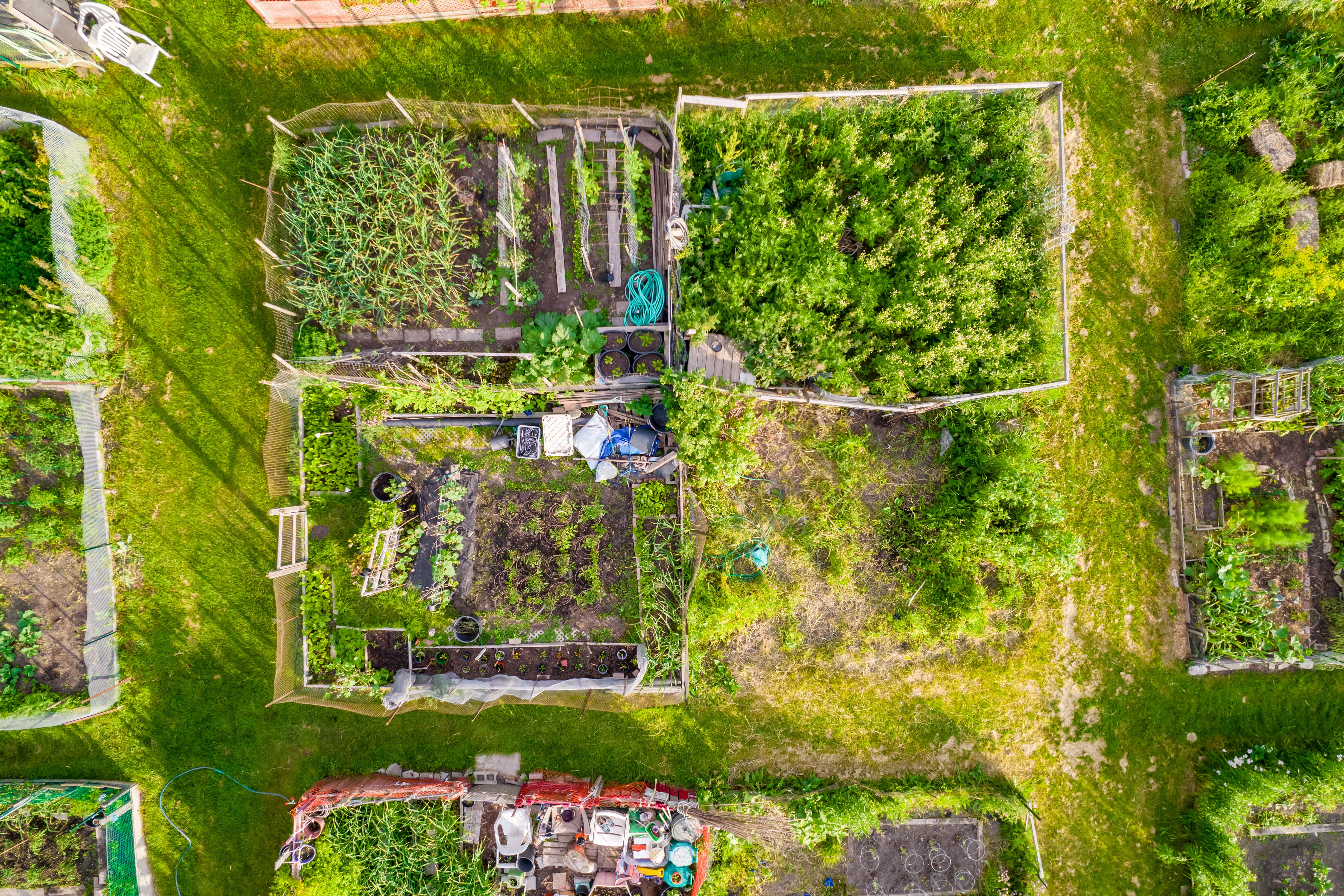
Permaculture isn't just about individual gardens—it can extend to community efforts. Chicago has a vibrant community gardening scene where permaculture principles are increasingly embraced. Participating in these initiatives can foster a sense of community while contributing to local food security.
Community gardens can serve as educational hubs where residents learn about sustainable practices and share resources. By working together, neighborhoods can transform underutilized spaces into productive, beautiful gardens.

Challenges and Considerations
While permaculture offers many advantages, it does require careful planning and consideration. Urban settings like Chicago present unique challenges such as limited space and potential soil contamination. Testing the soil for toxins before planting is a crucial step to ensure safety.
Additionally, patience is key. Permaculture is a gradual process that evolves over time. Regular observation and adjustments will help your landscape thrive and adapt to changing conditions.
Conclusion
Permaculture presents an exciting opportunity to enhance urban landscapes in Chicago. By fostering biodiversity, improving soil health, and building community connections, this sustainable approach can transform your outdoor space into a vibrant and eco-friendly haven. Whether you’re a seasoned gardener or a novice, permaculture offers valuable techniques that benefit both your garden and the environment.