How to Design a Permaculture Garden in Urban Environments
Understanding Permaculture Principles
Permaculture is a holistic approach to garden design that mimics the natural ecosystems found in nature. It focuses on sustainability, self-sufficiency, and minimal impact on the environment. In urban settings, permaculture can transform small spaces into lush, productive gardens. By understanding the core principles, you can create a thriving ecosystem right in your backyard or even on a balcony.
Key principles include observing and interacting with your environment, capturing and storing energy, and producing no waste. These concepts help you work with nature rather than against it, ensuring that your garden is both sustainable and efficient.
Siting and Planning Your Urban Permaculture Garden
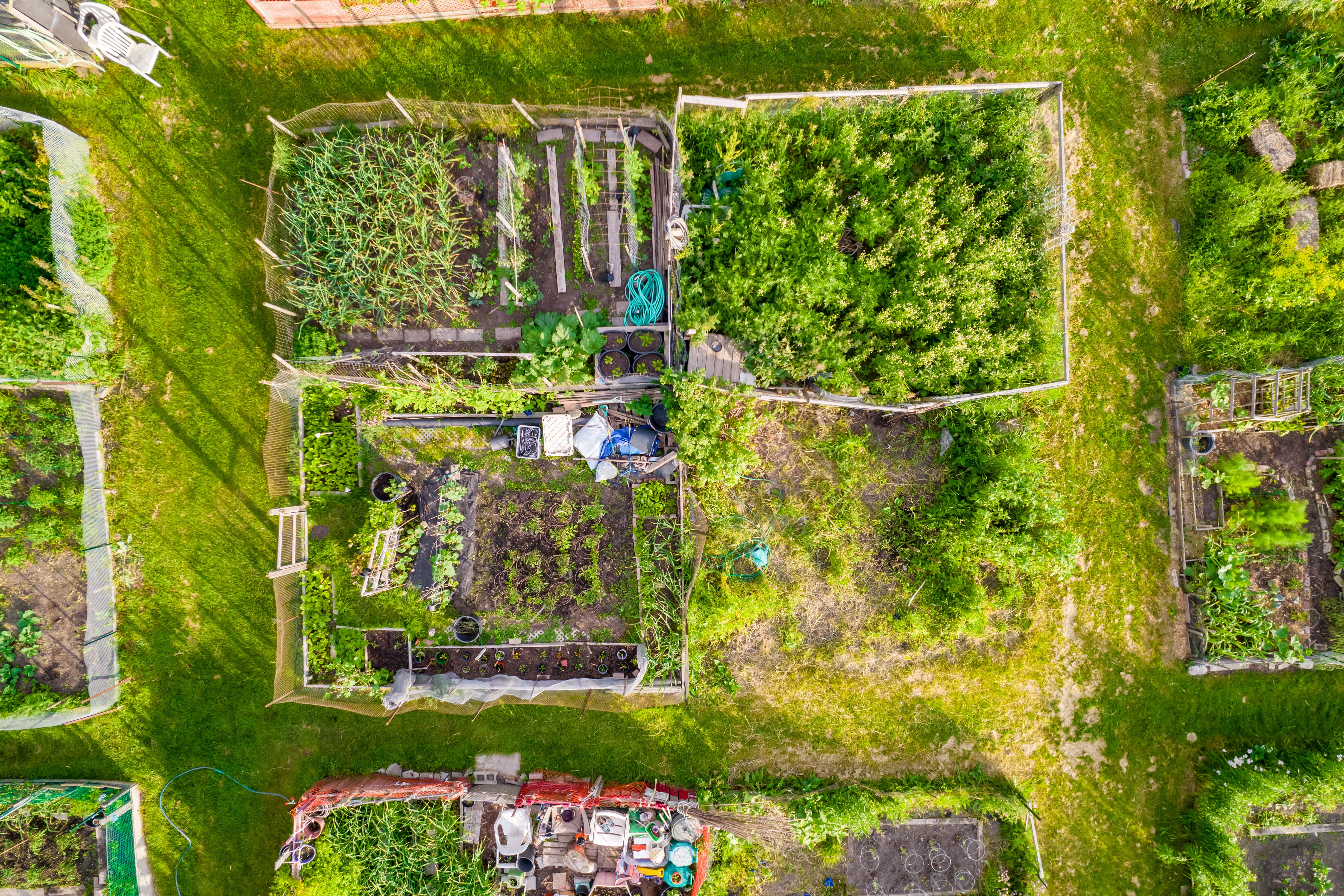
The first step in designing a permaculture garden is to assess your available space. Take note of sunlight patterns, wind directions, and water flow. This information will guide your plant selection and placement. Even small urban spaces can be used creatively to maximize productivity.
Create a basic plan or sketch of your garden. Include different zones for various activities and plant types. For instance, herbs and vegetables can be placed in areas with the most sunlight, while shade-tolerant plants can go in less sunny spots. Consider vertical gardening and container gardening to make the most of limited space.
Choosing the Right Plants
Selecting the appropriate plants is crucial for a successful urban permaculture garden. Focus on native and adaptable species that require minimal care and resources. These plants are more likely to thrive in your specific climate and conditions.
Incorporate a mix of annuals and perennials to ensure year-round productivity. Companion planting, where certain plants support each other’s growth, can also enhance the health and yield of your garden. For example, planting tomatoes with basil can help repel pests and improve flavor.

Water Management Techniques
Water is a precious resource, especially in urban environments. Implementing efficient water management techniques is essential for a sustainable permaculture garden. Consider installing rain barrels to collect runoff from rooftops, which can be used for irrigation.
Drip irrigation systems and mulching are effective ways to conserve water and maintain soil moisture. By reducing water waste, you can create a more resilient and self-sustaining garden.
Building Healthy Soil
Healthy soil is the foundation of any successful garden. In urban environments, soil may be compacted or low in nutrients. Begin by testing your soil and amending it with organic matter such as compost, which improves soil structure and fertility.
Practice crop rotation and include nitrogen-fixing plants like peas and beans to enrich the soil naturally. This approach not only boosts plant growth but also supports a diverse ecosystem of beneficial organisms.

Incorporating Wildlife and Biodiversity
Encouraging biodiversity is a key component of permaculture. By attracting beneficial insects, birds, and other wildlife, you can enhance the ecological balance of your garden. Plant a variety of flowers and shrubs to provide habitats and food sources for these creatures.
Consider adding birdhouses, bee hotels, and small water features to invite more wildlife into your garden. This not only creates a vibrant ecosystem but also helps with natural pest control and pollination.