How to Preserve Land While Enhancing Your Outdoor Space
Understanding the Importance of Land Preservation
Preserving land while enhancing your outdoor space is crucial for maintaining ecological balance and ensuring the longevity of natural resources. Not only does it benefit the environment, but it also adds value to your property. By adopting sustainable practices, you can create a beautiful outdoor area that complements the natural landscape.
Land preservation involves protecting the natural features of the land, such as soil, water, and native vegetation. By doing so, you contribute to the health of local ecosystems and promote biodiversity. This approach is essential for creating a harmonious relationship between human activities and the environment.

Planning a Sustainable Outdoor Space
Before making any changes, it's important to plan your outdoor space with sustainability in mind. Start by conducting a thorough assessment of your property to understand its unique features and challenges. Consider factors such as soil type, drainage, sunlight, and existing vegetation.
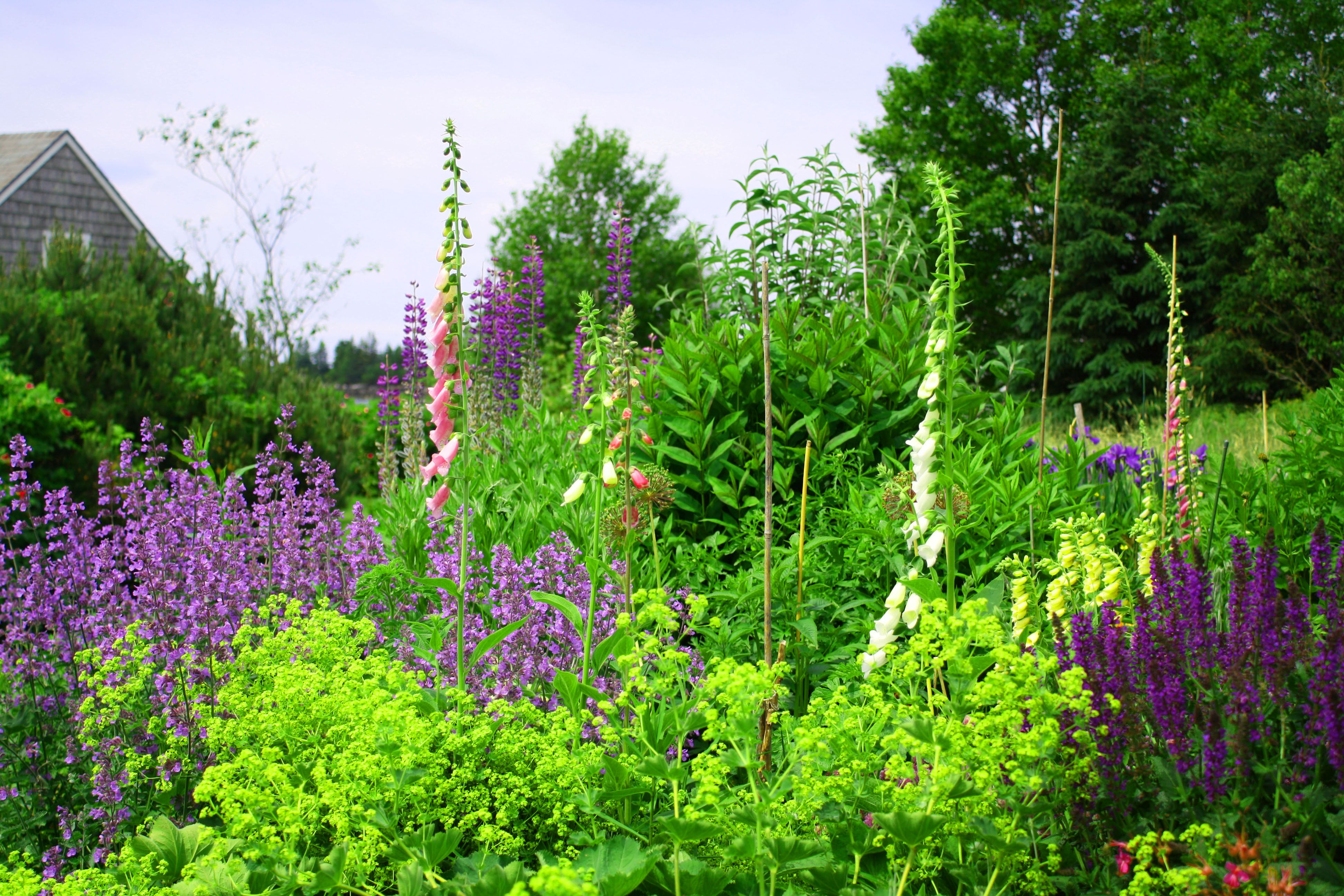
Develop a design that incorporates native plants and minimizes disruption to the natural environment. Native plants are adapted to the local climate and require less water and maintenance. This not only helps preserve the land but also attracts local wildlife, creating a vibrant and lively outdoor space.
Water Conservation Techniques
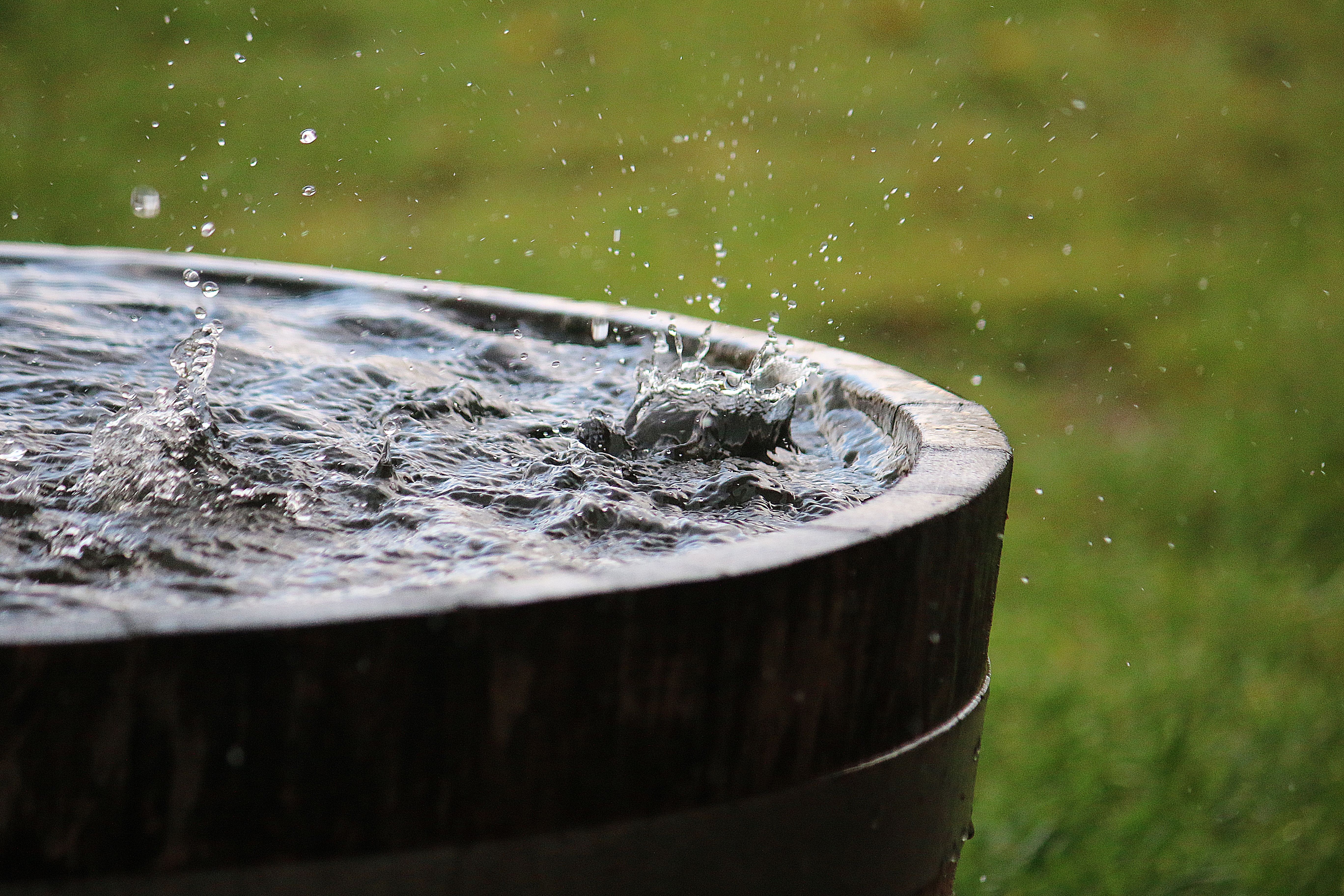
Water conservation is a critical aspect of land preservation. Implementing efficient irrigation systems, such as drip irrigation, can significantly reduce water usage. Additionally, consider installing rain barrels to collect and utilize rainwater for your garden.
Landscaping with drought-tolerant plants is another effective way to conserve water. These plants require minimal irrigation and thrive in dry conditions, making them ideal for sustainable landscaping.
Incorporating Eco-Friendly Materials
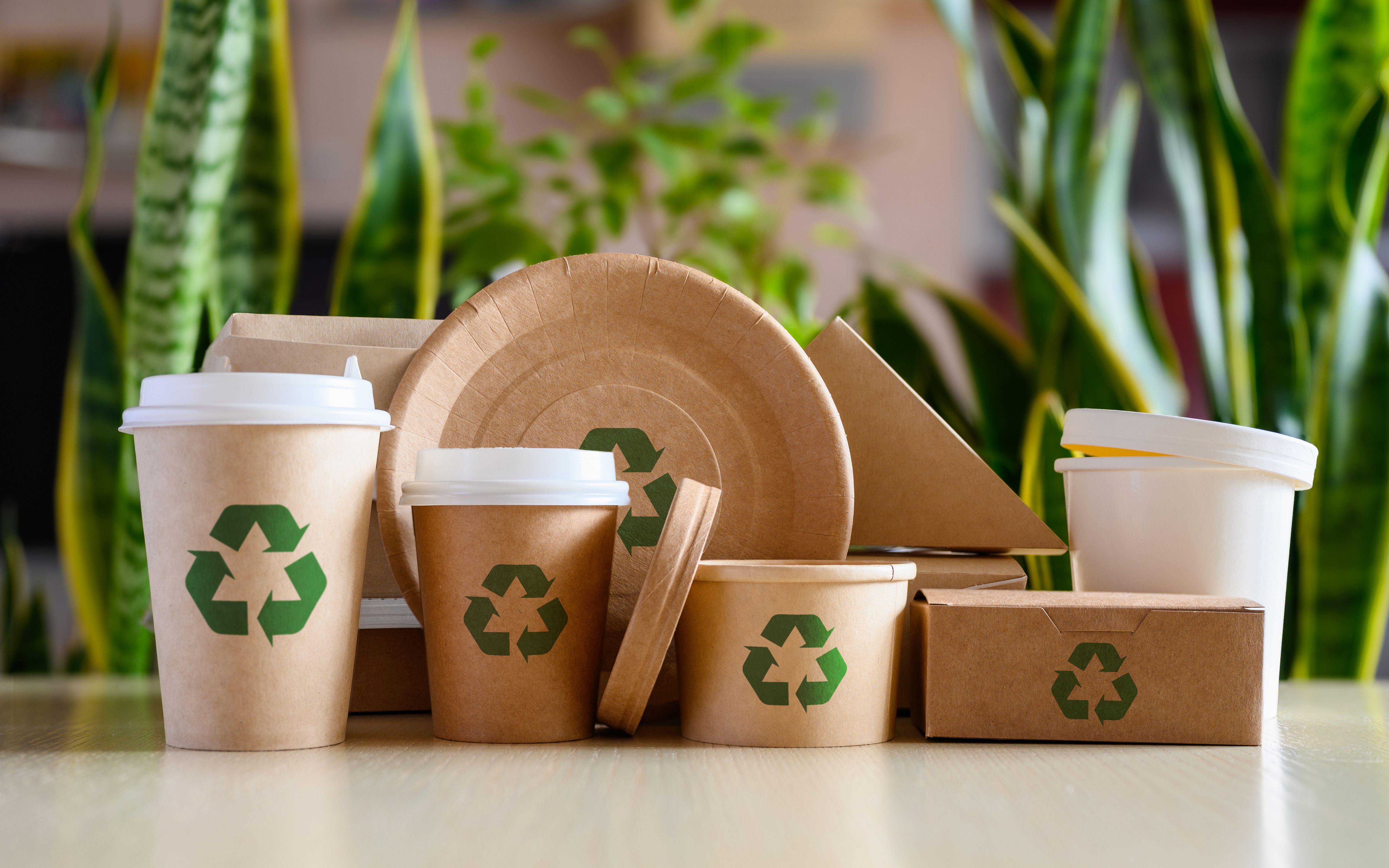
When enhancing your outdoor space, choose eco-friendly materials that have a low environmental impact. Recycled or reclaimed materials, such as wood and stone, add a rustic charm while promoting sustainability. Opt for natural, biodegradable products whenever possible to reduce waste.
Consider creating pathways with permeable materials like gravel or permeable pavers. These materials allow water to pass through, reducing runoff and promoting groundwater recharge. This practice is beneficial for maintaining the natural hydrology of the area.
Maintaining a Balanced Ecosystem
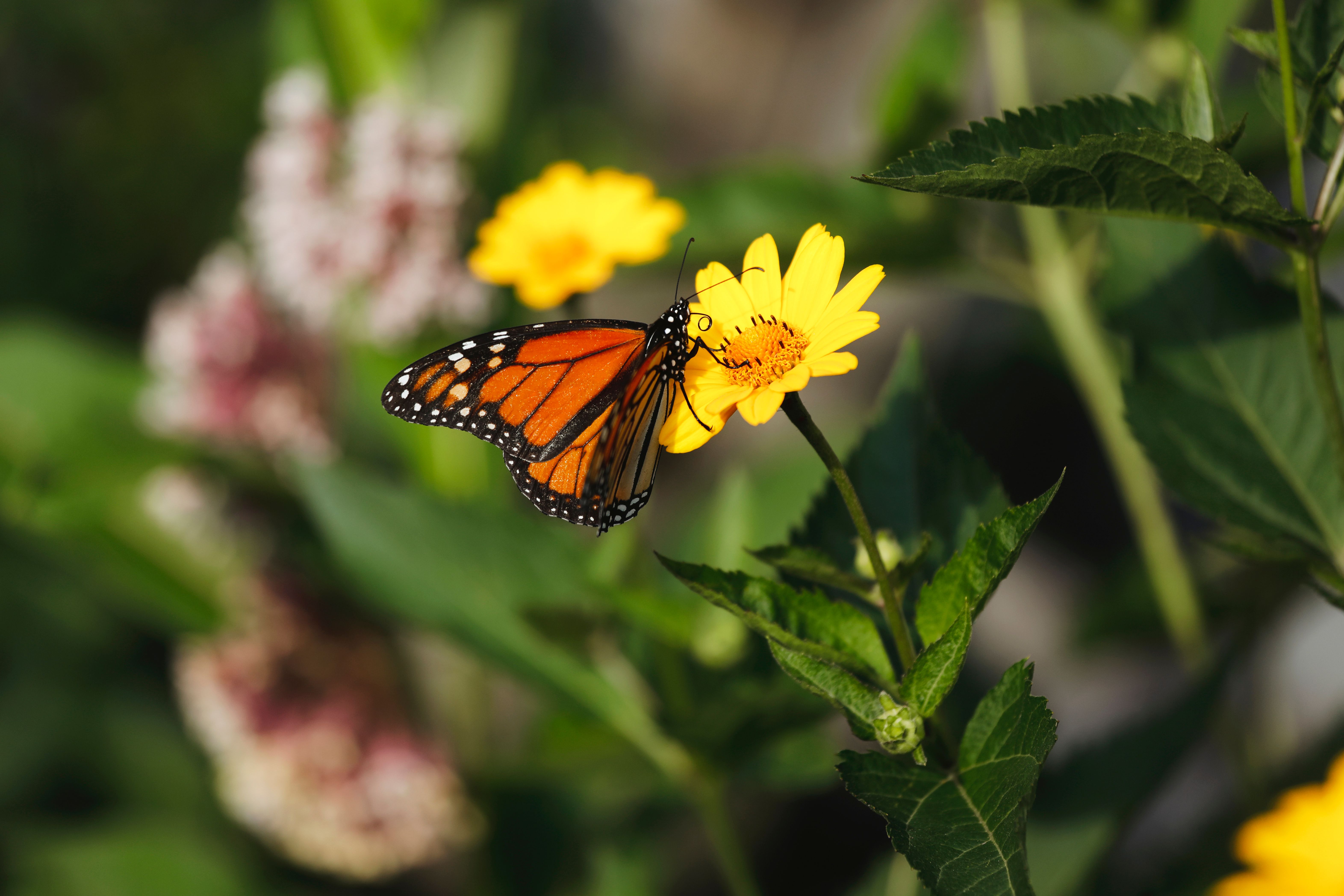
Maintaining a balanced ecosystem is key to preserving land. Encourage beneficial insects and wildlife by creating habitats and providing food sources, such as bird feeders and butterfly gardens. Avoid using chemical pesticides and fertilizers that can harm the environment.
Regularly monitor your outdoor space to ensure it remains healthy and vibrant. Prune plants as needed, remove invasive species, and replenish soil nutrients with organic compost. This proactive approach helps maintain a thriving ecosystem that supports both plant and animal life.