How to Start a Permaculture Garden in an Urban Setting
Understanding Permaculture
Permaculture is a sustainable and self-sufficient approach to gardening that mimics the natural ecosystems. It’s about creating a harmonious environment where plants, animals, and humans can thrive together. In an urban setting, permaculture can transform small spaces into productive gardens, making city living more eco-friendly.
Assess Your Space
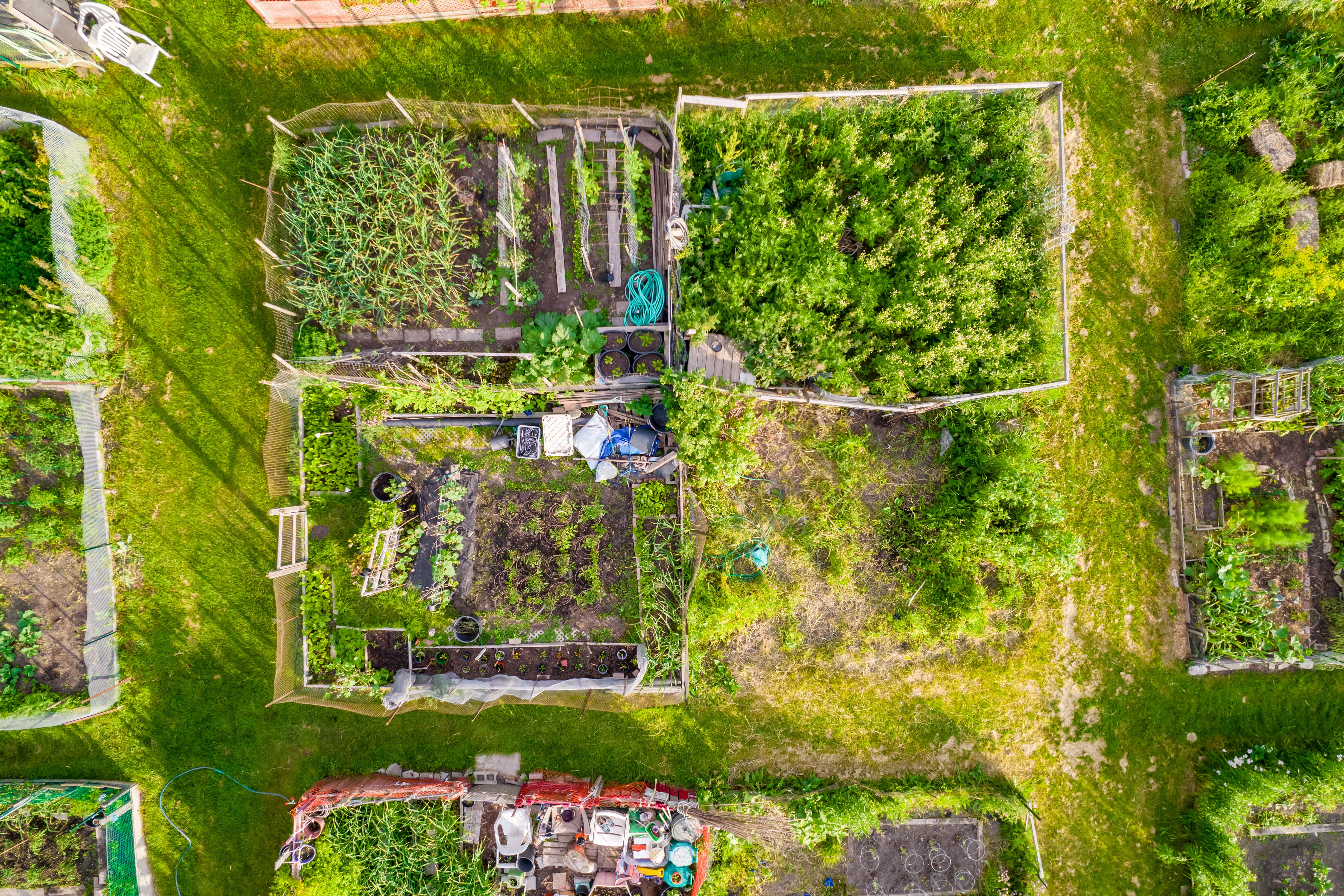
Before starting your permaculture garden, assess the available space. Consider the sunlight, shade, wind patterns, and existing structures. Even a small balcony or rooftop can be transformed into a productive garden if utilized wisely. Take note of areas with the most sunlight, as these will be ideal for planting.
Plan Your Design
Design is a crucial aspect of permaculture. Start by sketching a layout of your space. Plan where each element will go, considering both aesthetics and functionality. Use vertical gardening techniques like trellises or hanging pots to maximize space. Incorporate pathways and consider accessibility for maintenance tasks.
Soil and Water Management
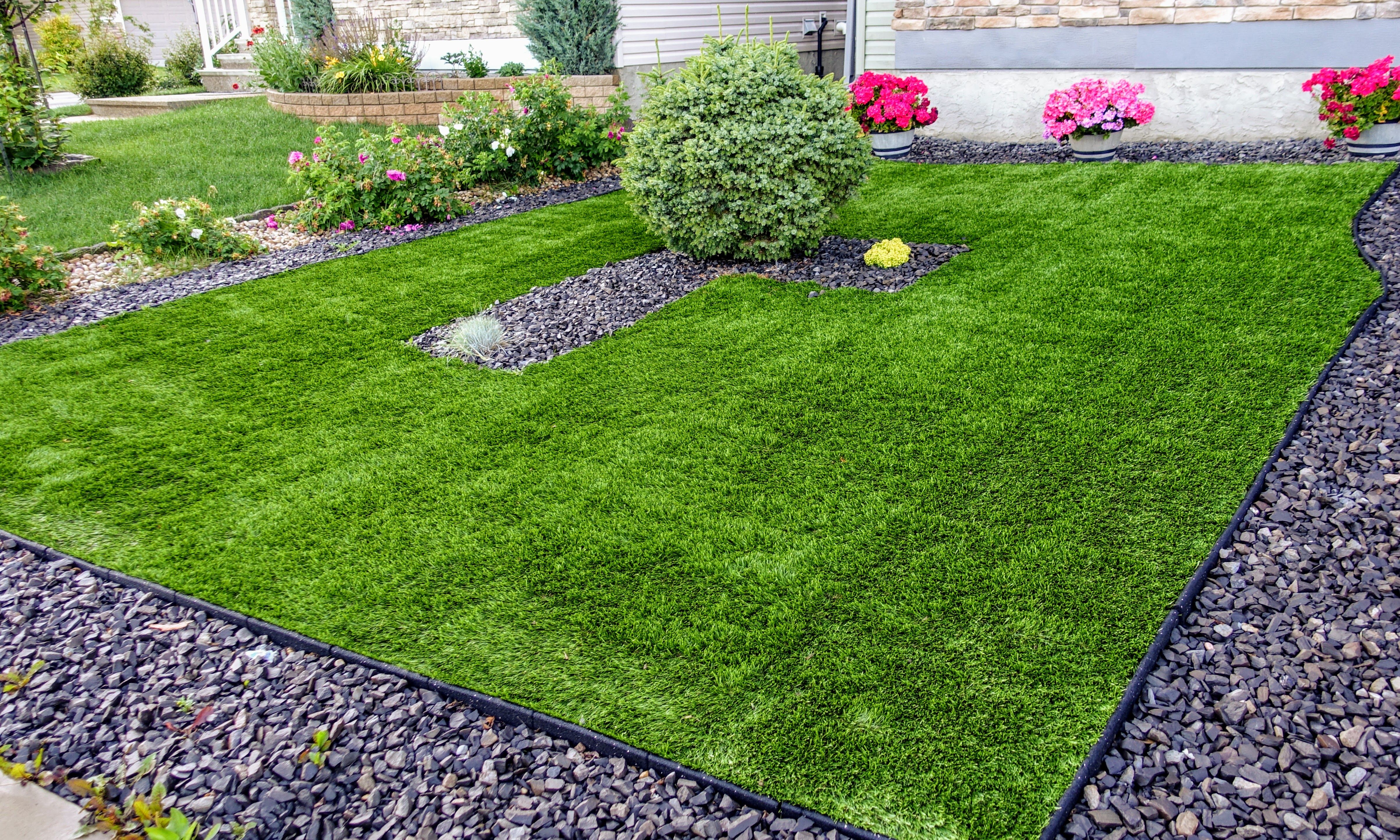
Healthy soil is the foundation of any successful garden. In an urban environment, you may need to build raised beds or use containers filled with nutrient-rich soil. Composting kitchen scraps is a great way to enrich your soil naturally. Water management is also key; consider installing rain barrels or utilizing drip irrigation systems to conserve water.
Choosing Plants
Select plants that thrive in your climate and suit your space. Native plants are often the best choice as they require less maintenance and are more resilient to local pests. Mix different kinds of plants to promote biodiversity, which can help prevent pest infestations and diseases.

Implementing Companion Planting
Companion planting involves growing certain plants together to enhance growth, deter pests, and improve crop yield. For example, planting basil near tomatoes can enhance flavor and deter insects. Research effective plant pairings to make the most of your garden.
Incorporate Animals
If possible, incorporate small animals like chickens or bees into your garden. Chickens can help with pest control and provide fresh eggs, while bees are essential pollinators that can boost your garden’s productivity. Always check local regulations regarding livestock in urban areas.
Maintain and Observe
Regular maintenance is essential for a thriving permaculture garden. This includes watering, pruning, and monitoring plant health. Observe your garden frequently to understand the interactions between different elements. This observation will help you make informed decisions and adjustments over time.
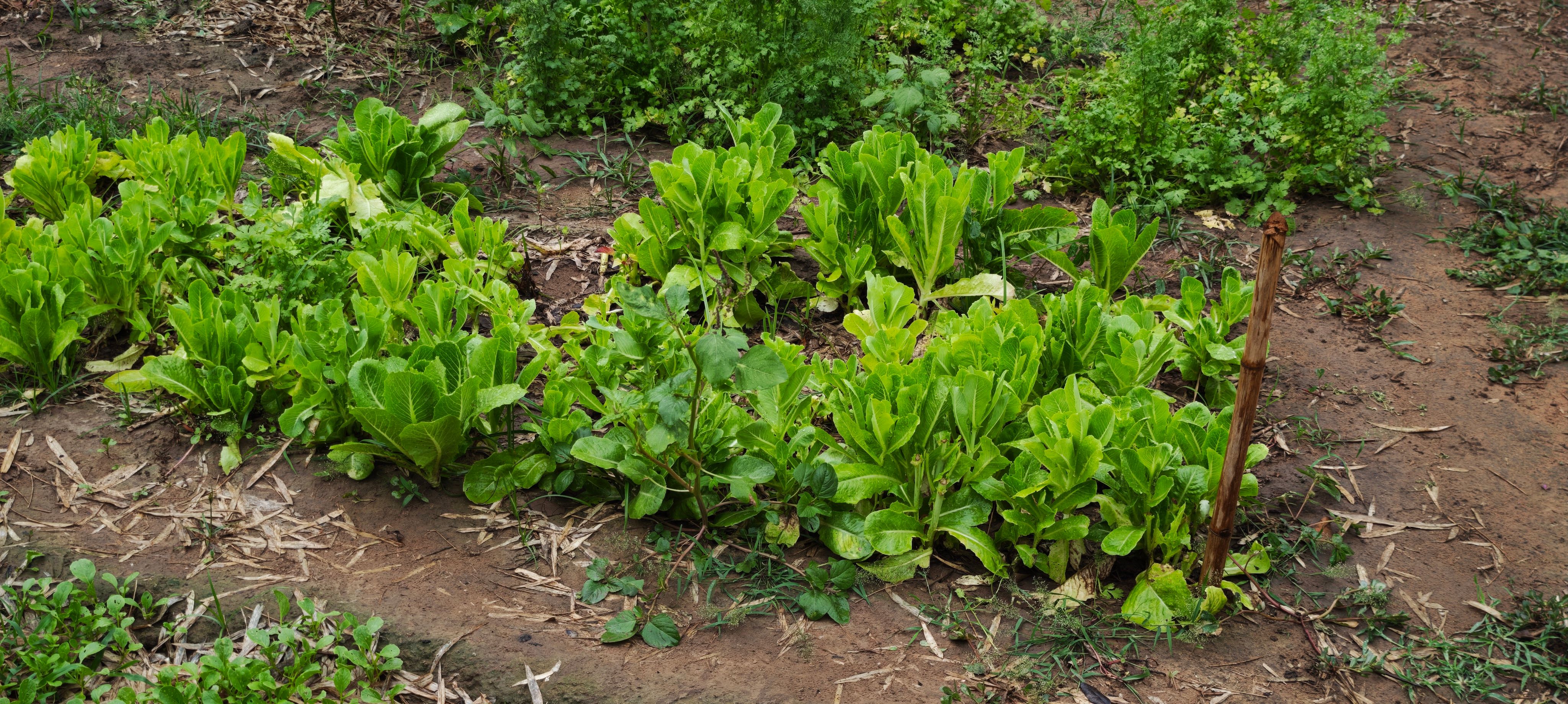
Starting a permaculture garden in an urban setting is a rewarding endeavor. By adopting sustainable practices and making the most of your space, you can create a lush, productive environment that benefits both you and the planet. Dive into permaculture and transform your urban space into a green oasis.