Myths About Permaculture: What Chicago Residents Need to Know
Understanding Permaculture
Permaculture is often misunderstood as a gardening trend or a set of farming techniques. However, it is a design philosophy that integrates land, resources, people, and the environment through mutually beneficial synergies. This holistic approach focuses on creating sustainable ecosystems. For Chicago residents, embracing permaculture can lead to more resilient urban living.
Myth 1: Permaculture is Only for Rural Areas
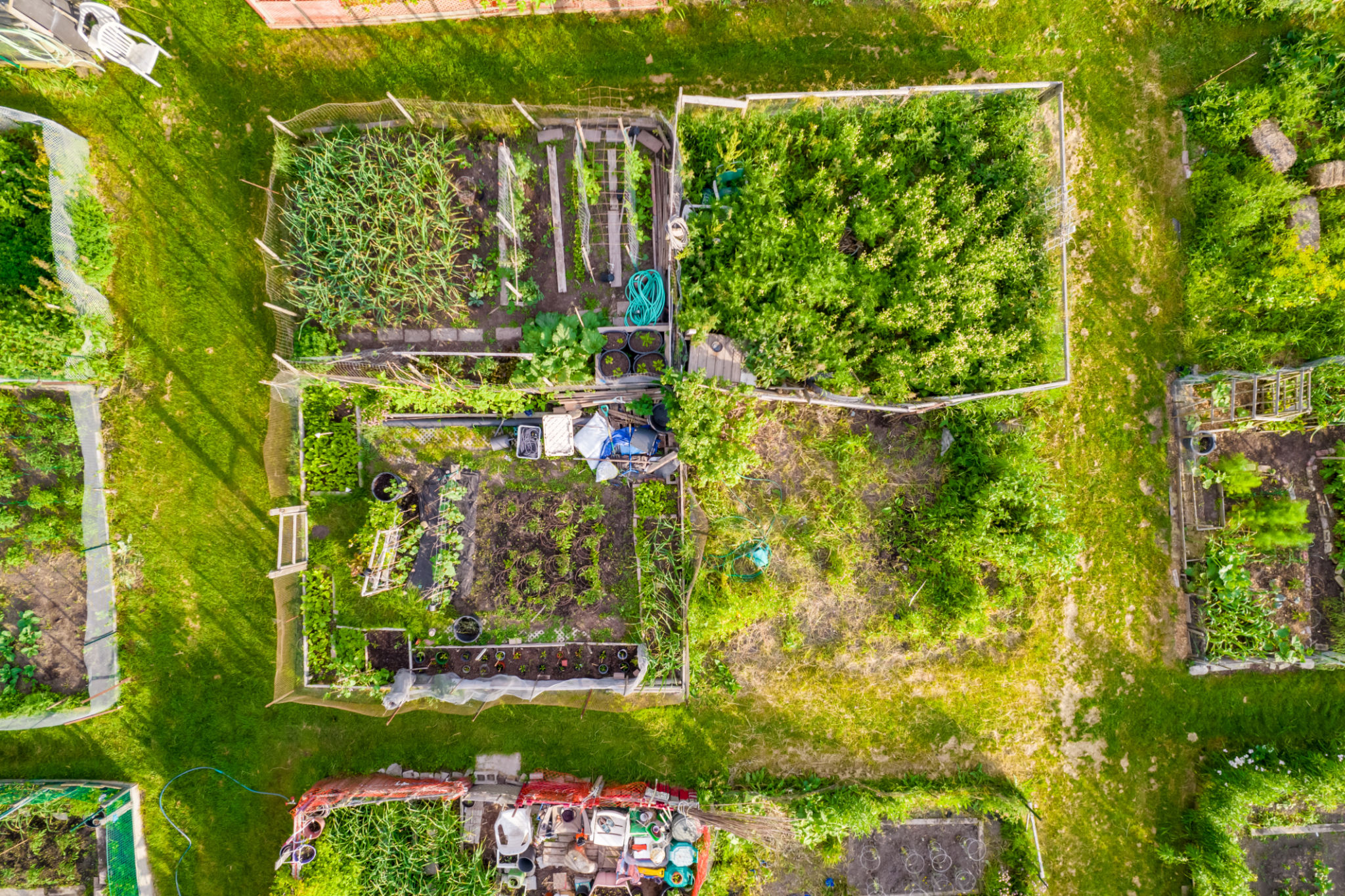
One common misconception is that permaculture practices are only applicable to rural settings. In reality, permaculture can be effectively implemented in urban environments like Chicago. Rooftop gardens, vertical farming, and community spaces are just a few ways city dwellers can incorporate permaculture principles. Urban areas offer unique opportunities to innovate and adapt these practices to fit smaller spaces.
Myth 2: Permaculture is Expensive
Another myth is that setting up a permaculture system is costly. While there may be initial expenses, such as purchasing plants or setting up rainwater harvesting systems, the long-term savings and benefits outweigh these costs. Over time, permaculture systems can reduce water usage, lower energy bills, and provide fresh produce, making them cost-effective solutions for sustainable living.
Permaculture and Local Ecosystems
Permaculture supports local biodiversity, which is crucial for maintaining balanced ecosystems. By planting native species, residents can attract beneficial insects and wildlife, enhancing the urban environment's ecological health. This approach not only beautifies neighborhoods but also contributes to cleaner air and reduced urban heat.

Myth 3: Permaculture Requires Too Much Time
Many people believe that permaculture is too time-consuming. While it does require some initial planning and setup, the ongoing maintenance is often minimal. By designing self-sustaining systems that mimic natural processes, permaculture reduces the time and effort needed for upkeep. Mulching, for example, minimizes weeding and watering demands.
Myth 4: Permaculture is Only About Plants
While plants play a significant role, permaculture encompasses much more. It involves waste management, energy efficiency, water conservation, and community building. Chicago residents can engage in permaculture by starting composting initiatives, installing solar panels, or participating in local permaculture workshops and events.

Getting Started with Permaculture in Chicago
For those interested in exploring permaculture, starting small is key. Begin by assessing your available space and resources. Whether you have a balcony, a backyard, or access to a community garden, there are numerous ways to incorporate permaculture principles. Engage with local groups and online communities to share knowledge and experiences.
By debunking these myths, Chicago residents can better understand and appreciate the potential of permaculture. It's a practical and sustainable way to enhance urban living, benefiting both individuals and the broader community.