Permaculture Principles: Designing Resilient Landscapes in Urban Environments
Understanding Permaculture Principles
Permaculture is a design philosophy that focuses on creating sustainable and self-sufficient agricultural ecosystems. Originating from the words "permanent" and "agriculture," permaculture involves working with nature to develop harmonious and resilient landscapes. In urban environments, where green spaces are limited, applying permaculture principles can transform small areas into lush, productive gardens.
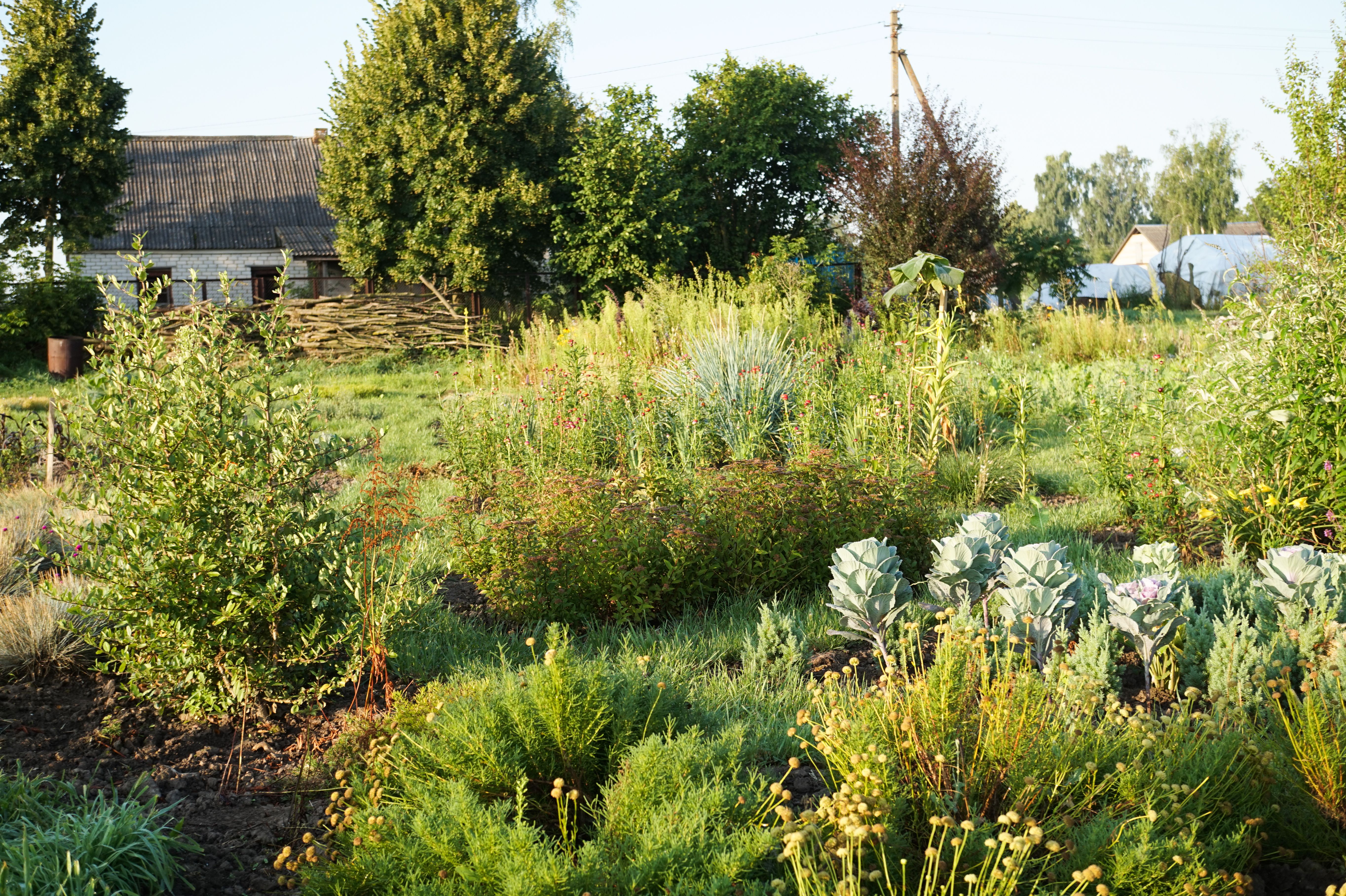
The Core Principles of Permaculture
Permaculture revolves around several core principles that guide the design process. These principles include observing and interacting with the environment, capturing and storing energy, and obtaining a yield. By applying these concepts, urban gardeners can create spaces that are not only beautiful but also functional and sustainable.
Observe and Interact
Before making any changes to a landscape, it's crucial to spend time observing the natural patterns and interactions within it. This involves understanding the microclimate, soil composition, and existing plant and animal life. By doing so, you can make informed decisions that align with the natural environment.
Catch and Store Energy
Urban environments often miss opportunities to harness natural energy sources. By incorporating elements like rainwater harvesting systems and solar panels, you can capture and store energy efficiently. These systems not only support plant growth but also reduce reliance on external resources.

Designing Resilient Urban Landscapes
Designing a permaculture landscape in an urban setting requires creativity and strategic planning. The goal is to maximize the use of available space while ensuring that the system remains resilient and self-sufficient over time.
Creating Microclimates
Microclimates are small areas with specific environmental conditions that can be optimized for certain plants. By using structures like walls or hedges, you can create zones with varying sunlight, wind, and moisture levels, allowing for diverse plant growth.
- Use vertical spaces for climbing plants.
- Incorporate water features to moderate temperature.
- Plant windbreaks to protect sensitive species.
Utilizing Companion Planting
Companion planting involves growing certain plants together to enhance growth, deter pests, and improve soil health. By strategically pairing plants, urban gardeners can create thriving ecosystems that require fewer chemical inputs.

The Benefits of Urban Permaculture
Implementing permaculture principles in urban environments offers numerous benefits. These include increased biodiversity, improved air and soil quality, and enhanced food security. Moreover, permaculture gardens can serve as educational tools, inspiring communities to adopt more sustainable practices.
- Biodiversity: A diverse range of plants and animals supports ecosystem health.
- Soil Health: Natural composting and mulching improve soil fertility.
- Community Engagement: Gardens become hubs for learning and collaboration.
Conclusion
Permaculture principles offer a transformative approach to urban gardening, allowing city dwellers to create resilient landscapes that benefit both people and the planet. By embracing these principles, we can move towards a more sustainable and harmonious way of living, even in the heart of bustling cities.