Preparing Your Chicago Garden for Spring: Expert Tips from Sika Design Studio
As winter begins to loosen its grip on Chicago, it’s time to start thinking about preparing your garden for the vibrant season of spring. At Sika Design Studio, we understand the unique challenges that Chicago gardeners face. From unpredictable weather to urban soil conditions, there are several factors to consider when planning your spring garden revival.

Assessing Your Garden's Current State
Before diving into planting, it’s crucial to assess the current state of your garden. Take a walk around your yard and look for any signs of damage caused by winter weather. Check for broken branches, damaged fences, or waterlogged areas. These issues should be addressed before you start planting to create a safe and healthy environment for your plants.
Next, evaluate the soil quality. Chicago's soil can be clay-heavy, which may require amending to improve drainage and fertility. Consider performing a soil test to determine the pH and nutrient levels. This will guide you in selecting the right amendments, such as compost or peat moss, to enhance the soil structure.
Cleaning and Clearing Debris
Once your assessment is complete, it’s time to clean up the garden. Remove any dead plants, fallen leaves, and other debris that may have accumulated over the winter. This will help prevent the spread of diseases and pests, ensuring a healthy start for your spring garden.
Prune any dead or damaged branches from trees and shrubs. This not only improves the appearance of your garden but also encourages new growth. Be sure to use clean, sharp tools to make precise cuts, reducing the risk of infection.

Planning Your Spring Planting
With a clean slate, you can now plan your spring planting. Consider the specific climate and microclimates of your garden. Chicago’s weather can be unpredictable, so selecting hardy plants that can withstand sudden temperature changes is essential. Native plants are always a great choice as they are adapted to the local environment and require less maintenance.
When designing your garden, think about the layout and spacing of your plants. Ensure they have enough room to grow and receive adequate sunlight. Group plants with similar water and light requirements together to make maintenance easier.

Enhancing Soil and Mulching
Improving the soil is key to a successful garden. As mentioned earlier, adding compost to your soil can greatly enhance its quality by providing essential nutrients and improving drainage. Spread a layer of compost over your garden beds and mix it into the soil to prepare it for planting.
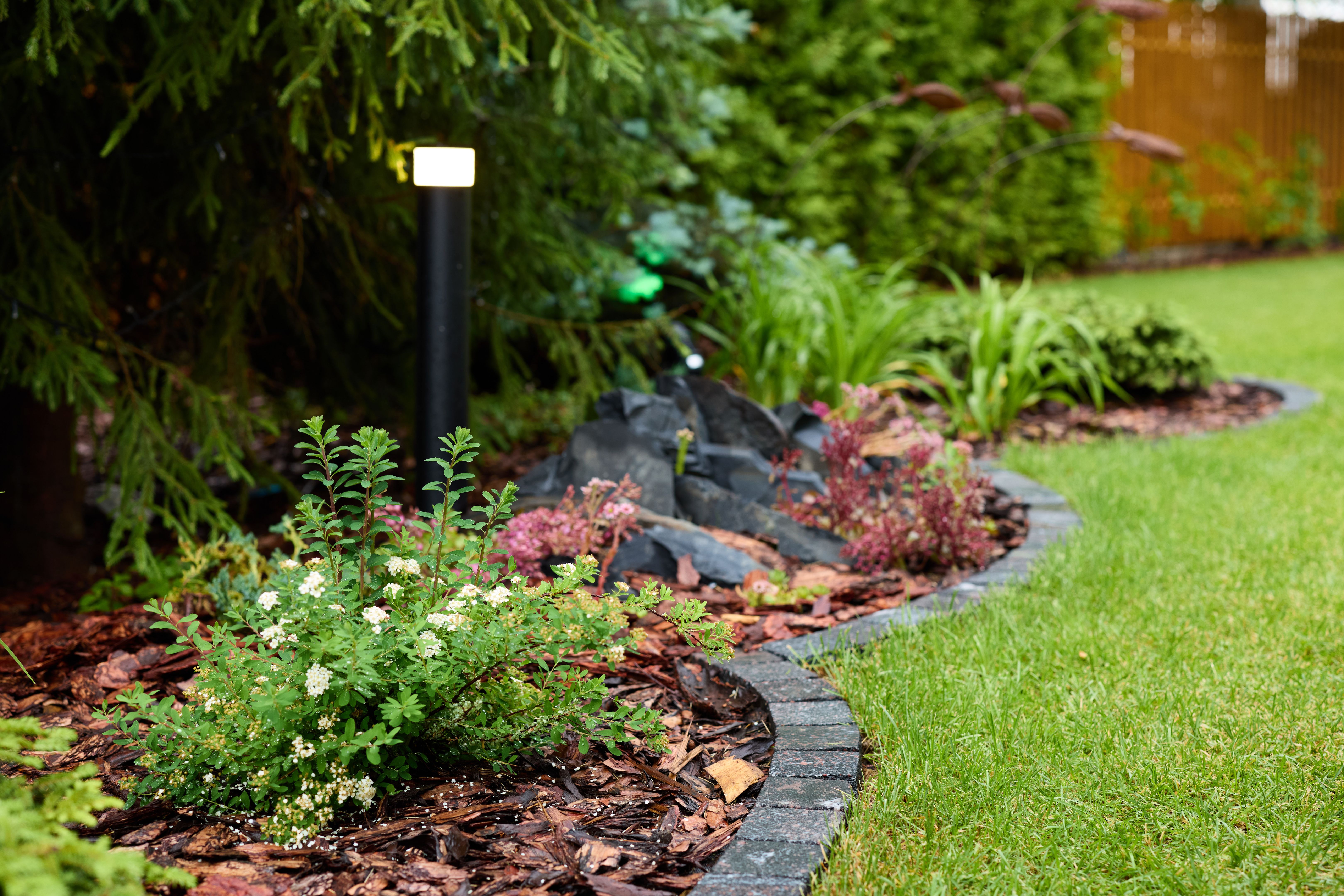
Mulching is another important step. Apply a layer of mulch around your plants to help retain moisture, suppress weeds, and regulate soil temperature. Organic mulch, such as wood chips or straw, also breaks down over time, adding more nutrients to the soil.
Watering and Maintenance
Proper watering is crucial, especially as new plants are establishing their roots. Water deeply but infrequently to encourage deep root growth. Be mindful of spring rains and adjust your watering schedule accordingly to prevent overwatering.
Regular maintenance is vital to keep your garden thriving. Check for pests and diseases regularly and address any issues promptly. Consistent weeding will also help your plants access the nutrients they need without competition.
By following these expert tips from Sika Design Studio, you’ll be well on your way to creating a beautiful and thriving spring garden in Chicago. With careful planning and attention to detail, your garden will provide enjoyment and beauty throughout the season.