Understanding Land Preservation: Importance and Impact in Urban Areas
Understanding Land Preservation in Urban Areas
As urban areas continue to expand, the importance of land preservation becomes increasingly crucial. Urban growth often leads to the depletion of green spaces, impacting not only the environment but also the quality of life for city dwellers. This blog post delves into the significance and impact of land preservation in urban settings.

The Importance of Land Preservation
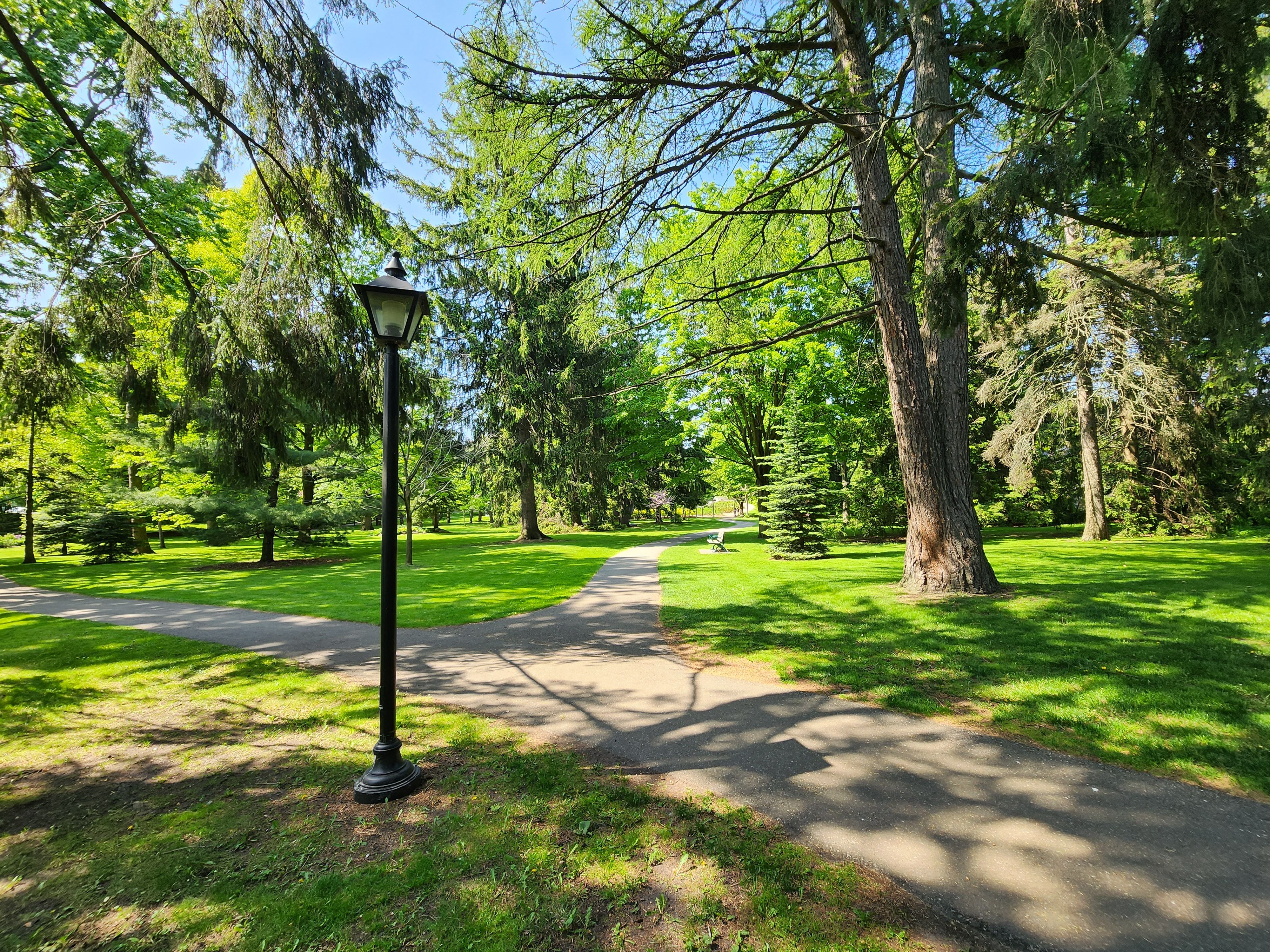
Land preservation in urban areas is vital for maintaining ecological balance. Green spaces such as parks and nature reserves serve as the lungs of a city, providing fresh air and reducing pollution. They also offer habitats for various species, promoting biodiversity even in densely populated regions.
Moreover, preserved land contributes to the well-being of residents. Studies have shown that access to natural spaces can reduce stress and improve mental health. Urban green spaces offer recreational opportunities and foster community engagement, making cities more livable.
Environmental Benefits
Preserving land in urban areas helps combat climate change by acting as carbon sinks. Trees and plants absorb carbon dioxide, mitigating the effects of greenhouse gases. Additionally, these areas help manage urban heat by providing shade and cooling the air, which is especially important as global temperatures rise.
- Reduction in air pollution
- Improved water management through natural filtration
- Protection of wildlife habitats

Economic Impact
While some may argue that land preservation limits economic development, it actually offers several economic benefits. Green spaces can increase property values and attract businesses looking to offer employees a better quality of life. They also boost tourism, as visitors are drawn to cities that boast beautiful parks and natural attractions.
Furthermore, investing in land preservation can reduce costs related to health care by promoting healthier lifestyles and reducing pollution-related illnesses. It can also lower infrastructure costs by managing stormwater naturally, reducing the need for expensive drainage systems.
Challenges and Solutions
Despite its benefits, land preservation faces challenges such as urban sprawl and competing land uses. To overcome these obstacles, cities can implement strategic planning and zoning laws that prioritize green spaces. Community involvement and education are also crucial in advocating for the importance of preserving natural areas within urban landscapes.
- Implementing green infrastructure
- Encouraging sustainable urban planning
- Promoting public awareness and engagement
By understanding and addressing these challenges, urban areas can successfully integrate land preservation into their development plans, ensuring a sustainable and vibrant future for all residents.